
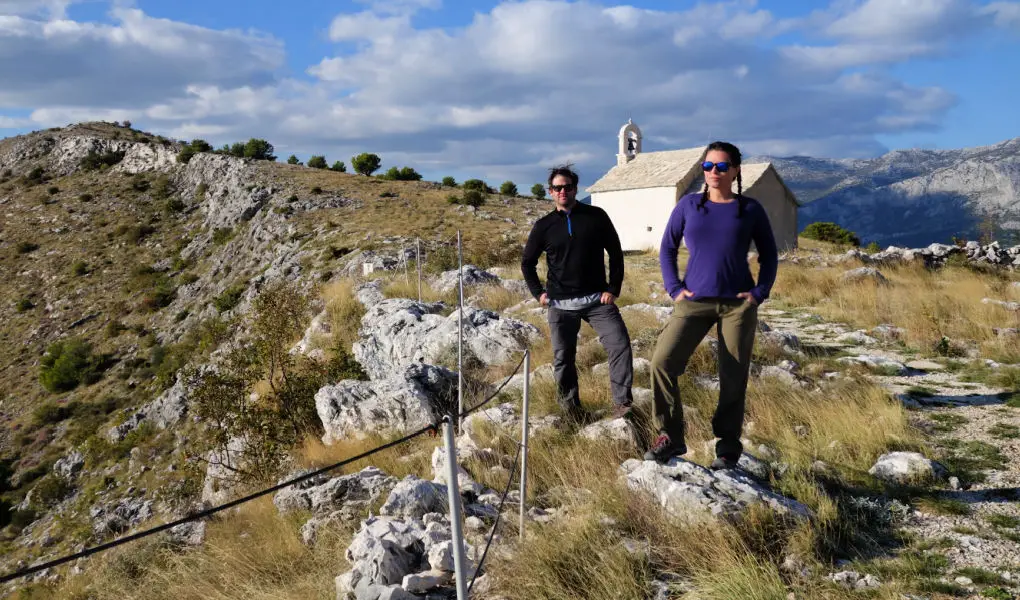
August travel has a peculiar business model: charge the highest prices of the year, fill every beach chair, then bake the whole operation in peak unbearable summertime heat. Then September turns up, weather’s more pleasant, families go home, and prices in many popular destinations start drifting back toward Earth.
If you’re deciding where to travel in September or October, the destination matters less than the date. The sea can still be warm, restaurants are still open, and you may finally photograph a landmark without collecting 46 strangers in the background.
To find the popular spots that get cheaper after August, we compared 90+ equivalent hotel stays using Booking and Expedia between August 10–15, 2026, then checked weather averages, ferry schedules, major events, and most sought-after tours availability.
The Short Answer
Mediterranean islands and the Adriatic coast are usually the best places to travel in September and October, because water stays warm while prices fall right after schools reopen. Think Santorini, Crete, Split, Dubrovnik, Mallorca, and the Algarve.
Big cities are the exception. Barcelona, Paris, Amsterdam, and Venice often stay expensive through September and don’t drop meaningfully until late October or November.
For each destination below, we’ve also included a best-value accommodation pick, not the cheapest or the fanciest, but the one that delivers the most for your money, and one must-do activity that travelers consistently rate as worth the time and cost.
🍂 Why Listen to Us
After close to a decade of trips through Europe, we learned that changing the date saves more than changing the destination. Late September into October has given us warmer water than expected, shorter lines, and rooms that didn’t make us question our life choices.
The catch is picking the right window. September is still pricey in some cities, while October or November is where the real drop happens. Sorting out that difference is the whole point of this guide. More on our approach to shoulder season travel here.
— The Budget Savvy Travelers
Some links are affiliate links. We may earn a commission if you book, at no extra cost to you.
In This Guide
When Prices Actually Drop After August
“Just go in September” is incomplete advice. Islands soften the moment schools reopen; capital cities hold their prices until conference season winds down.
| Region | August | Fall Months (Lower) | Best-Value Window |
|---|---|---|---|
| Greek islands | Peak-season rates | ~30–40% lower once schools reopen | Late Sept–mid Oct |
| Adriatic coast | Peak, especially Dubrovnik | ~30–40% lower (up to ~50% in Dubrovnik/Hvar) | Late Sept–mid Oct |
| Iberian coast | Peak; Algarve stays busy into early Sept | ~16% lower nationally in Spain by Sept; Algarve ~30–40% lower by late Sept/Oct | Late Sept–Oct |
| Italian lakes & coast | Peak; Amalfi Coast still busy through Sept | Amalfi ~25% lower by late Oct; Como swings sharply as crowds thin | October |
| Major cities | Peak/high through most of Sept | Amsterdam ~17–23% lower by Oct/Nov; Barcelona/Paris meaningfully lower by Nov | Late Oct–Nov |
| Iceland | Peak summer rates | Reykjavík ~15–25% lower by Sept | Late Sept–Nov |
The figures are drawn from tourism boards and travel-cost guides.
🔎 Run the Same Trip Three Ways
Price an identical stay in September, October, and early November before you commit to anything. One calendar nudge often beats every other budget trick combined.
15 Places That Get Cheaper After August
1. Santorini, Greece
Late September through mid-October brings warm days, swimmable water, and breathing room in Oia. Ferry frequency thins later in October, so book connections before flights.
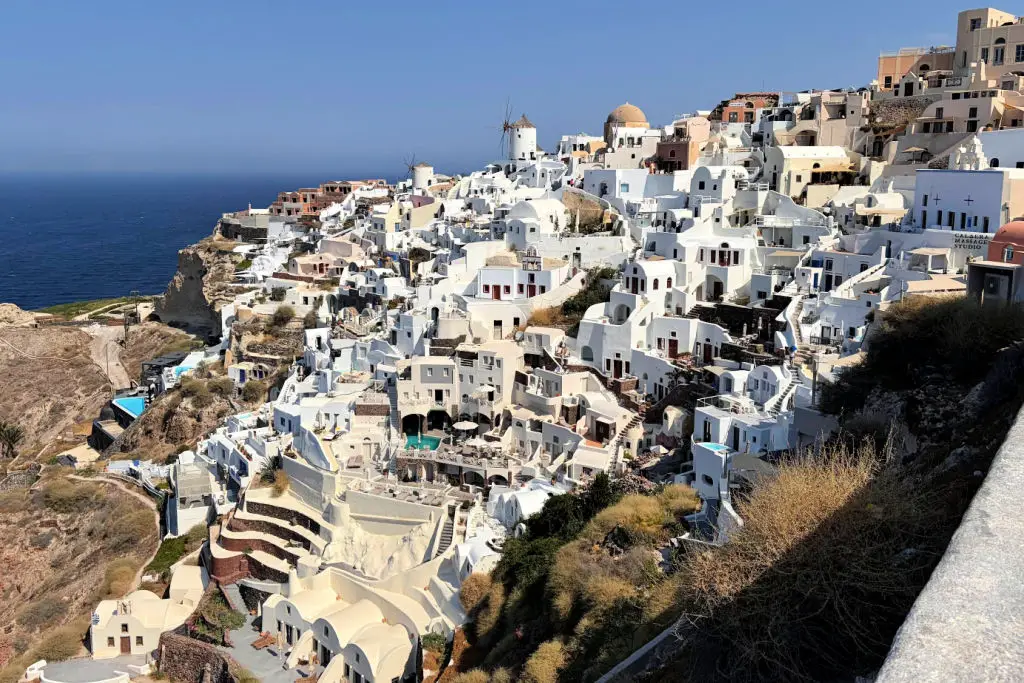
Where to stay: El Greco Resort & Spa — multiple pools and a Fira base deliver resort comfort at a fraction of caldera-edge pricing.
What to do: A caldera sunset cruise with volcano stops, hot springs, and dinner. Sunsets are free on land, but land doesn’t hand you a drink.
2. Dubrovnik, Croatia
The Adriatic stays swimmable into September while cruise traffic eases. Late September to mid-October is the sweet spot for walking the walls without becoming a toasted pastry.
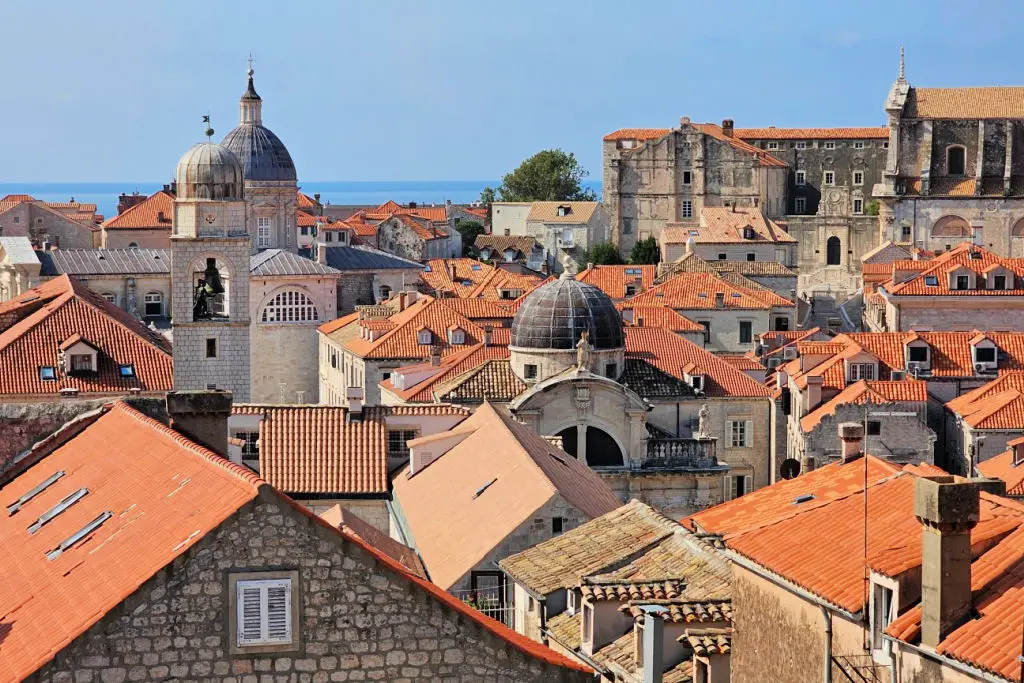
Where to stay: Hotel Lero — pool, solid rooms, and a quick bus to the Old Town for well under Old Town rates.
What to do: The city walls walking tour covers the history, the sea views, and the legally required Game of Thrones trivia.
3. The Algarve, Portugal
September keeps beach weather; October is better for cliff hikes and road trips. Some seasonal spots trim hours, but Lagos, Faro, and Albufeira stay busy.
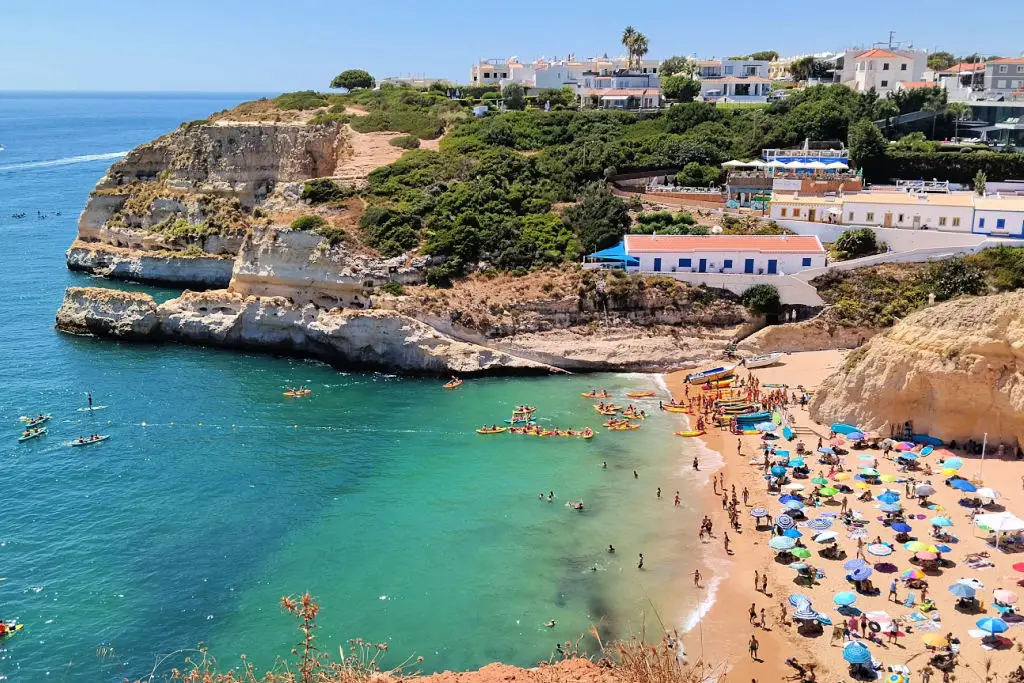
Where to stay: Solar de Mós — full resort facilities plus a walkable Lagos location, which is rare at this price.
What to do: A Benagil Cave boat tour reaches Portugal’s famous sea cave without ambitious independent paddling.
4. Mallorca, Spain
The sea holds its summer warmth after the crowds leave. Late September and early October suit beaches, Tramuntana drives, and dinner outdoors.
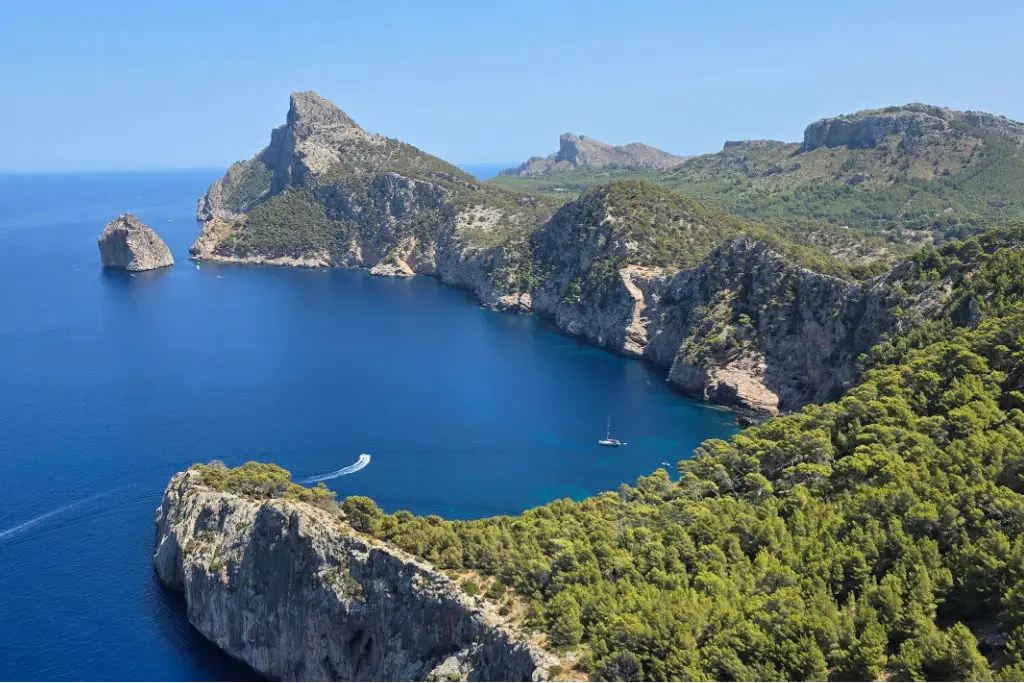
Where to stay: NURA Boreal — located in Playa de Palma, it’s the kind of value pick that gets you beach-side access and a short ride into the city without paying the center-city tax that exists solely to drain your bank account.
What to do: A catamaran cruise with snorkeling — considerably cheaper than acquiring and maintaining a yacht.
5. Amalfi Coast, Italy
September is still busy; October opens up availability and cools the coastal path. Ferries get weather-dependent, so keep a bus backup and some patience.
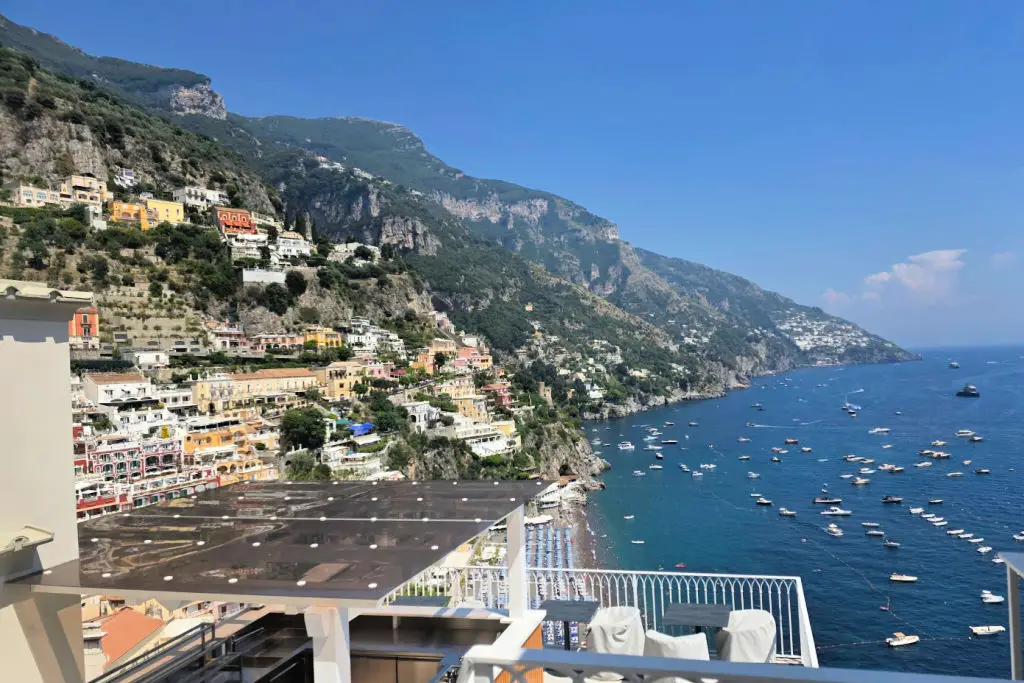
Where to stay: Hotel La Perla, Praiano — sea views and attentive service for meaningfully less than the equivalent in Positano.
What to do: An Amalfi Coast boat tour to Positano and Amalfi, admiring the staircases without personally climbing them.
6. Lake Como, Italy
September stays warm; October adds autumn color and softer rates. Confirm off-season ferry timetables before booking a smaller village.
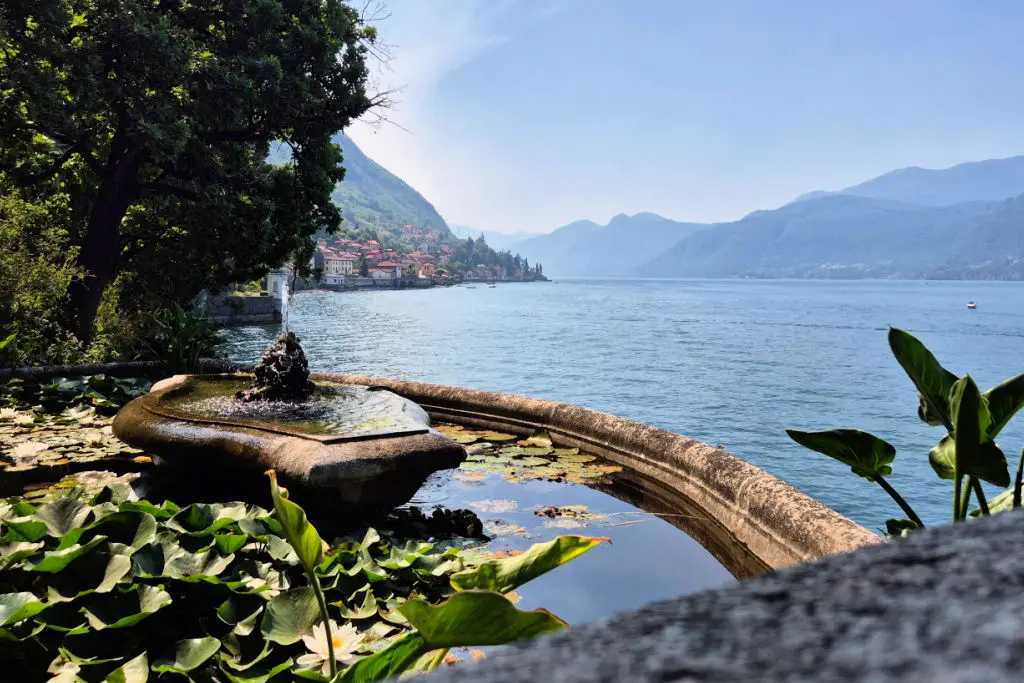
Where to stay: Locanda Milano 1873 — actually located in Brunate, way up above the city, where you get the best views of the lake without being stuck in the tourist swarm at the bottom, and without the kind of price tag that assumes you arrived via private helicopter.
What to do: A Bellagio and Varenna lake cruise for the villas and the mountain backdrop.
7. Split, Croatia
September may be Split’s best month: warm water, full ferry service, and Diocletian’s Palace with fewer rolling suitcases in it.
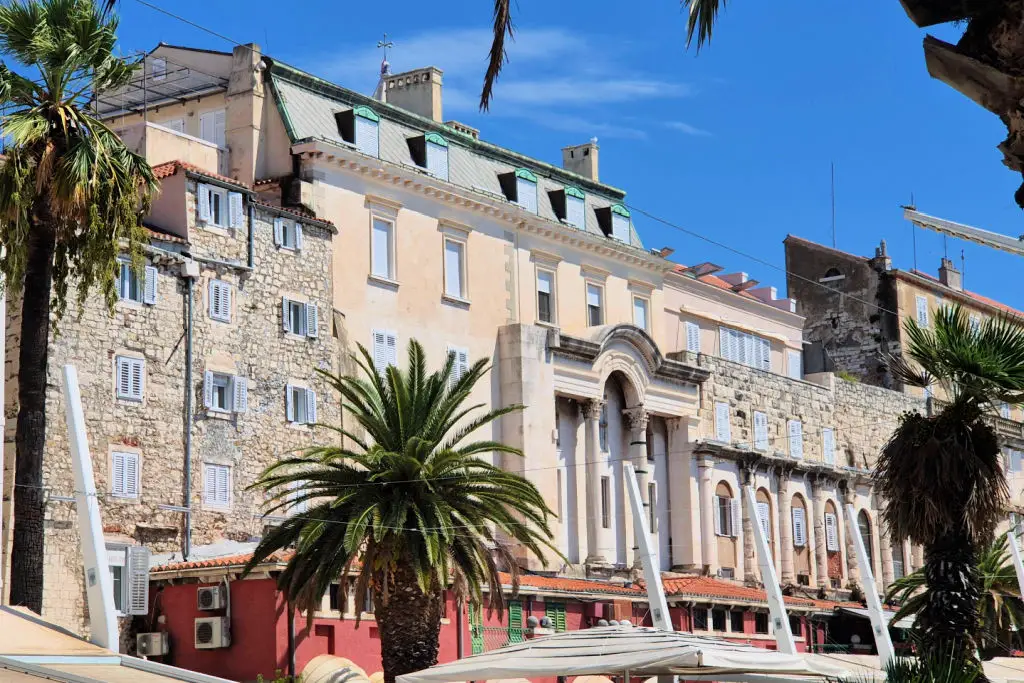
Where to stay: Split Old Town Suites — perched just a few minutes’ walk from the palace walls. You get all the perks of being near the historic center without paying the “I’m sleeping in a medieval dungeon” premium, plus the bus and ferry hubs are close enough that you can stop lighting money on fire for taxis and start spending it on things that actually matter, like more wine.
What to do: The Blue Cave and five-island speedboat tour, a full day of coves and improbably blue water.
8. Crete, Greece
Crete clings to summer longer than most of Europe. Beach weather often runs into mid-October, with better rental car availability.
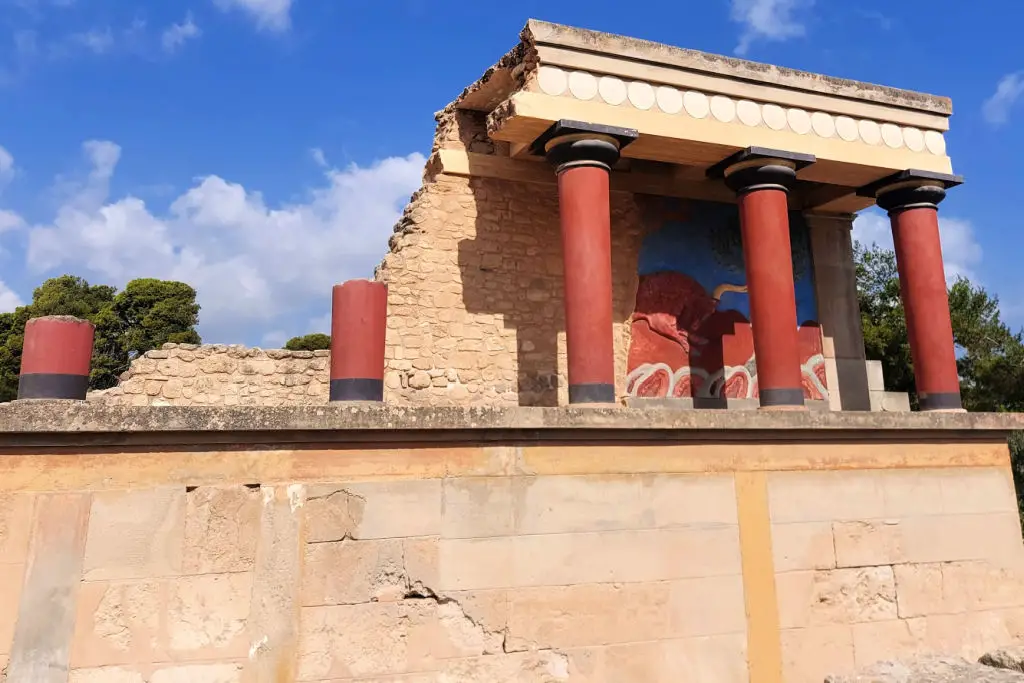
Where to stay: Kastro Hotel, Heraklion — modern rooms centrally placed for the city, the port, and nearby ruins.
What to do: A guided Knossos Palace tour, which makes the Minoan layout far less confusing.
9. Reykjavík, Iceland
September starts the shift from high summer to northern lights season. You trade daylight for aurora odds and weather that attempts three seasons before lunch.
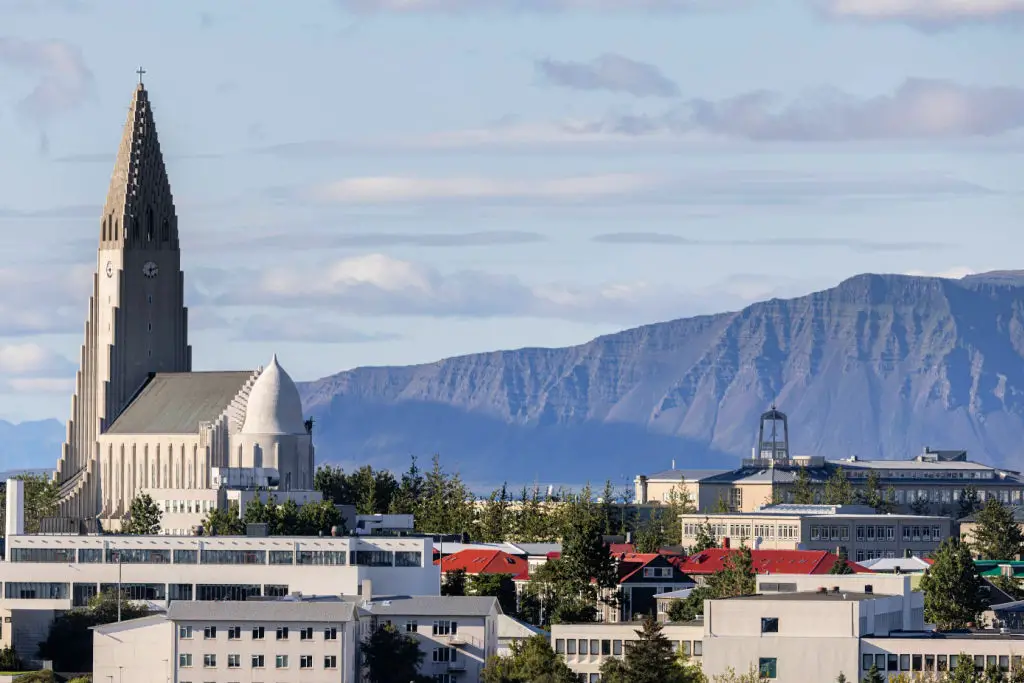
Where to stay: CityHub Reykjavik — downtown, on the tour pickup routes, cutting transfer costs in an expensive city.
What to do: The Golden Circle tour — Þingvellir, Geysir, and Gullfoss in one classic day.
10. Barcelona, Spain
Barcelona often stays expensive through September. Late October and November are the real value window, assuming you dodge congress dates and big matches. This Barcelona neighborhood breakdown goes deeper.

Where to stay: Ibis Budget Barcelona Center — It’s over in Sant Martí, just a 10-minute walk from Parc de la Ciutadella and a 30-minute stroll into the heart of the Gothic Quarter. You’re trading the claustrophobic, overpriced alleyways of the center for a brand-new hotel with a rooftop pool, all at a price that shouldn’t include either. It’s the “Goldilocks” location: close enough to reach the action, but far enough away that you aren’t paying the “I’m sleeping in a tourist trap” tax.
What to do: A Sagrada Família guided tour, so Gaudí’s work makes sense beyond “that’s an ambitious ceiling.”
11. Paris, France
Paris rarely surrenders, but select November weeks open up. Avoid Fashion Week, trade shows, and holiday runs before declaring victory.

Where to stay: Hôtel des Arts Montmartre — quiet Montparnasse gem with genuine neighborhood character and personal service at mid-range money.
What to do: A Louvre highlights tour that finds the essentials before your feet file a formal complaint.
12. Amsterdam, Netherlands
Late October and November bring lower rates, thinner crowds, and rain. Fortunately, humanity invented both waterproof jackets and cafés.
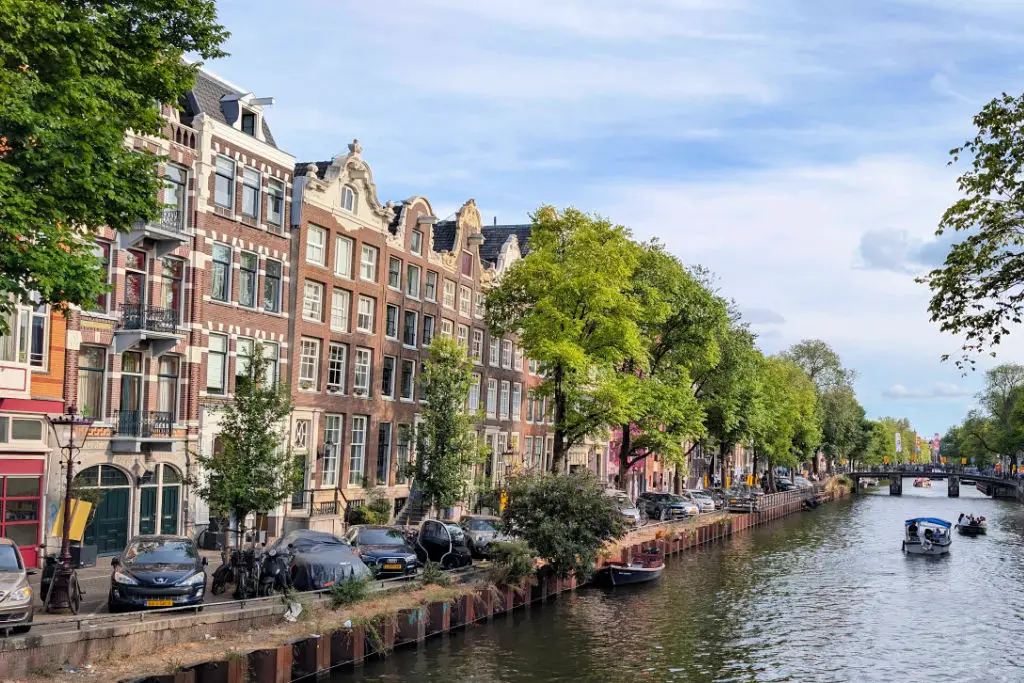
Where to stay: citizenM Amsterdam Amstel — dependable rooms and sharp design in a market where “affordable” usually means “tired.”
What to do: An evening canal cruise, where lit canal houses look their best and no bicycle can approach from behind.
13. Venice, Italy
November is quieter and cheaper, but brings rain and possible acqua alta. Read cancellation terms and pack the boots.
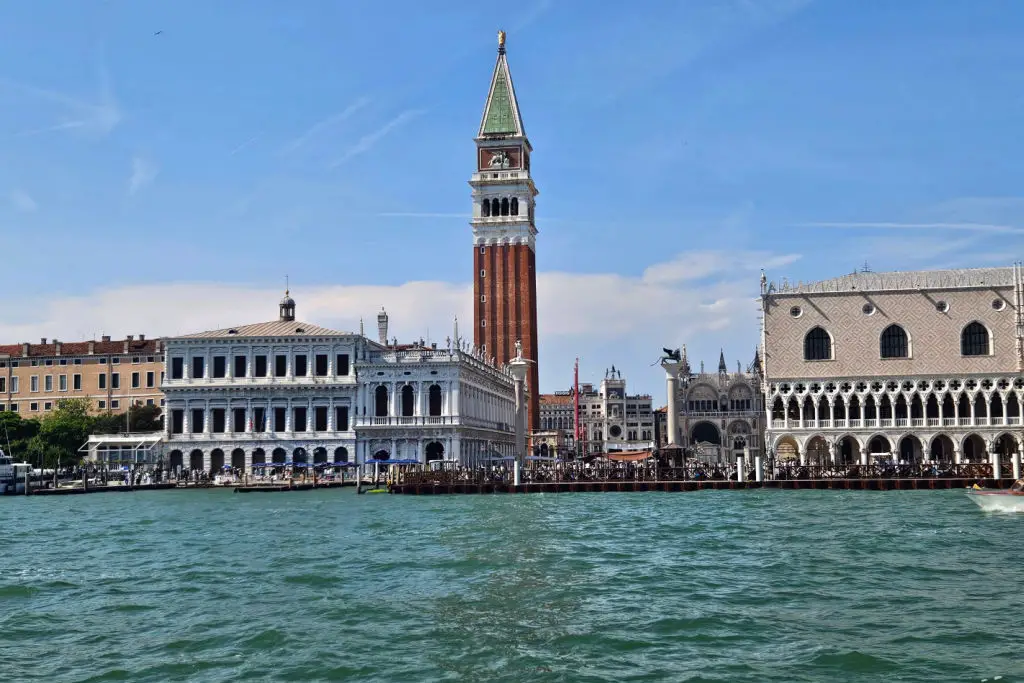
Where to stay: Locanda Ca’ Zose — a cozy Venetian hideaway in a historic palazzo, tucked into Dorsoduro and close enough to San Marco for easy exploring. Old-world charm, a quieter neighborhood, and a much friendlier off-season price tag.
What to do: A Doge’s Palace and St. Mark’s Basilica tour with reserved entry, which is mostly a line-avoidance device.
14. Istanbul, Türkiye
October trades July’s heat for comfortable sightseeing weather. Costs move with events and exchange rates, so compare totals in one currency.
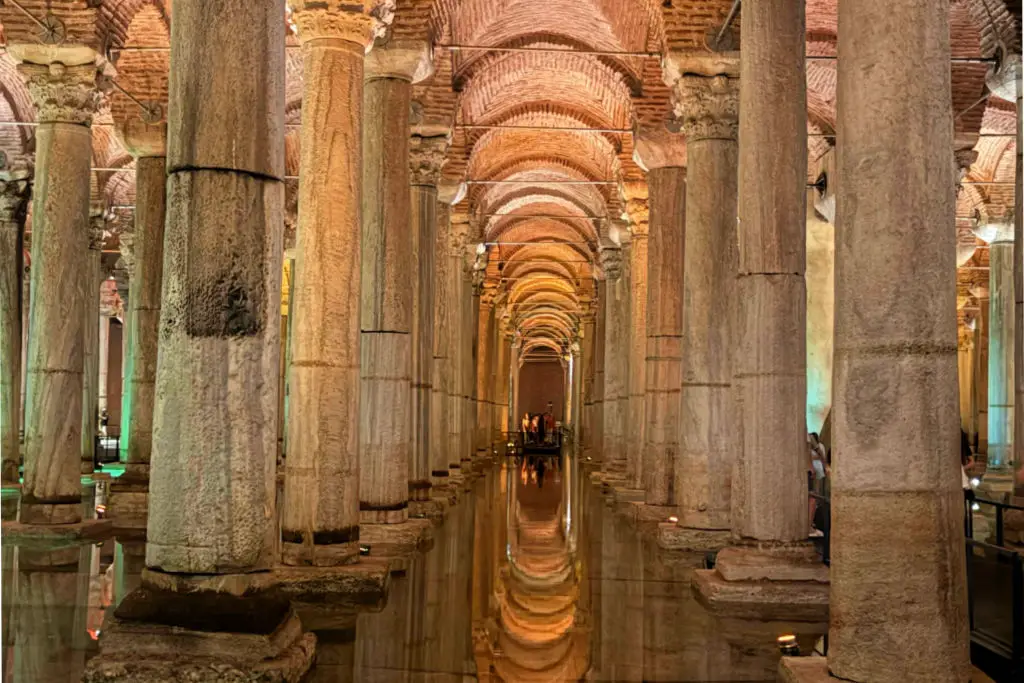
Where to stay: Hotel Amira — a long-running value favorite for its breakfast, rooftop, and walkable Sultanahmet address.
What to do: A Hagia Sophia, Blue Mosque, and old town walking tour, rather than running a one-person history department.
15. Bay of Kotor, Montenegro
Late September suits swimming; October favors hiking the fortress trail. Cruise days can still briefly fill the Old Town.
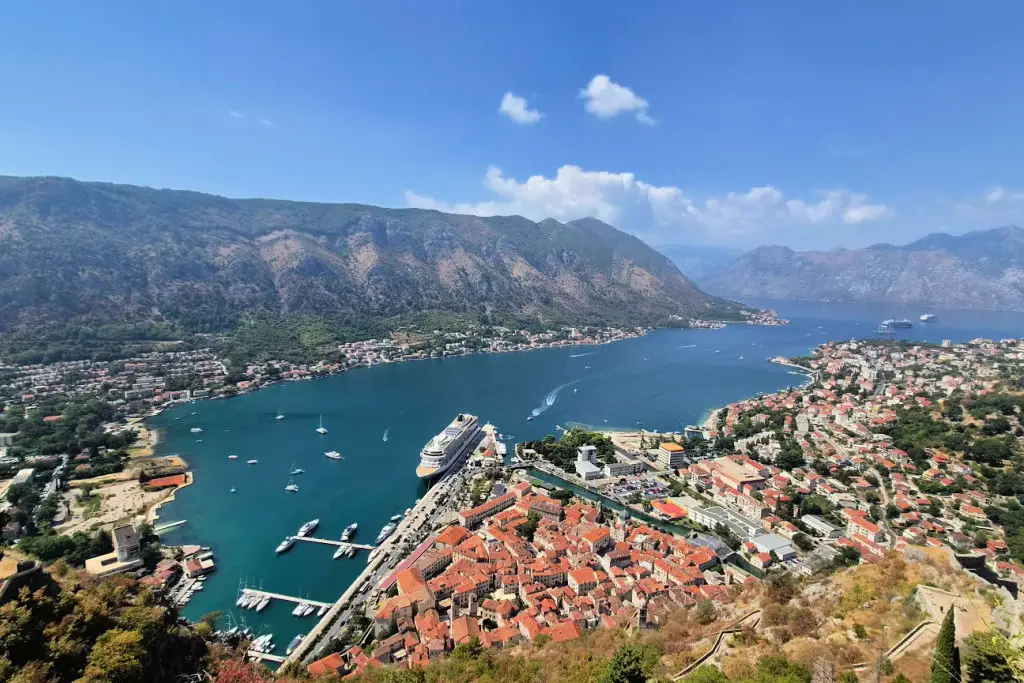
Where to stay: Hotel Bokeljski Dvori — a small, family-run spot in sleepy Prčanj, right across from the Bay of Kotor. Think balcony-and-bay views, seafood on the terrace, and a quieter home base just a quick drive from Kotor.
What to do: A Bay of Kotor boat tour to Perast, Our Lady of the Rocks, and the Blue Cave.
How to Find a Real Post-Summer Deal
- Price three windows: late August, late September, mid-October.
- Check the event calendar first. One convention erases a month of savings.
- Book refundable, then watch. Rebook if the same room drops.
- Total the whole trip: bags, transfers, tourist taxes, resort fees.
- Verify seasonal schedules. Ferries and tours run less often after summer.
- Weigh the weather honestly. A cheap beach week is less fun in steady rain. Insurance helps when it turns → here’s the travel insurance we use.
Saving $200 on a hotel is less impressive when reaching it costs $240 in taxis and a mule named Bernard.
Move the Dates Before You Change the Destination
That destination you wrote off as too expensive was probably just expensive in August.
FAQ
Where should I travel in September for the best value?
Greek islands, the Croatian coast, the Algarve, Mallorca, and Crete. The water keeps its summer warmth while the rates finally come to their senses once schools reopen: similar conditions as August, minus the prices that made you do the math twice.
Is September cheaper than August for travel?
Usually, especially after the first week when the last wave of summer crowds finally clears out, but not everywhere: festivals, conferences, and stubborn warm weather can keep some cities charging peak prices well into the month. Check the event calendar before you get too excited.
What’s the cheapest fall month to visit Europe?
November usually has the lowest hotel rates, but the trade-off is shorter days and gray skies that mean business. Late September and October are the smarter bet: slightly higher prices in exchange for daylight, running ferries, and restaurants that are still, you know, open.
Should I book fall travel early or wait for a deal?
Lock in a refundable rate the moment you see a price that doesn’t make you cringe, then keep an eye on it. Waiting sometimes pays off, but the best-value rooms tend to disappear before the “great deal” feeling wears off.
We Need Your Help
Did you find this article helpful? Bookmark it and use the links below when planning your next trip. You’ll get the best prices, we may earn a small commission, and it helps keep this site running.