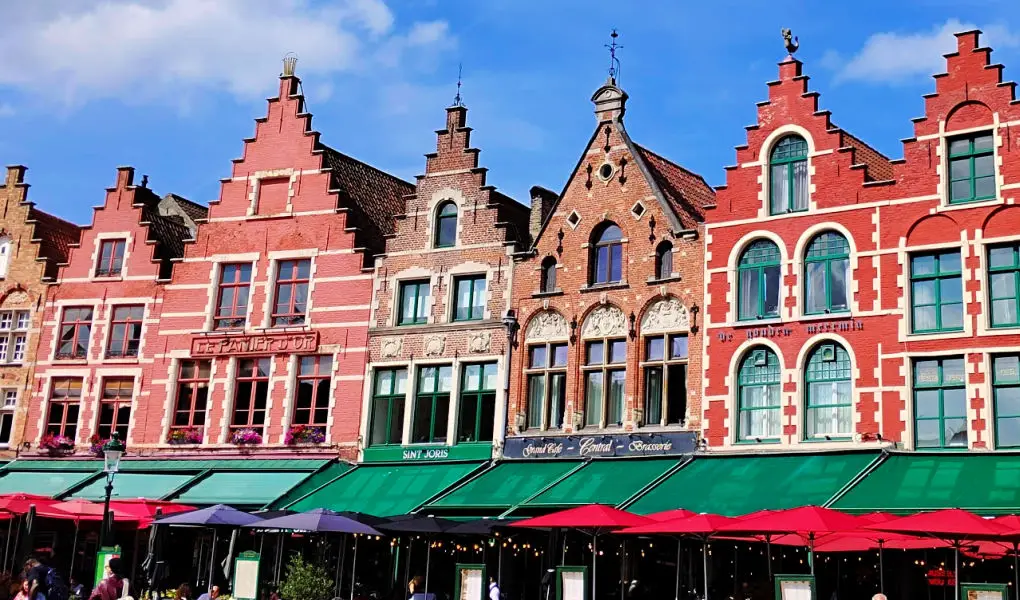
A tour of historic attractions is a great way to experience Belgium. Since many sites are within easy driving distance, you can visit top destinations in Antwerp, Ghent, and Bruges. Hiring a car offers flexibility, particularly for travellers carrying luggage or planning to explore beyond the main tourist centres. However, driving in Belgium requires more preparation than simply following a navigation app.
Historic city centres increasingly use low-emission zones (LEZs), pedestrian areas and restricted-access streets to reduce congestion. Knowing more about these regulations is crucial if your itinerary includes travelling by car. The last thing you need is accumulating fines and ruining your budget.
What to Know about Low-Emission Zones (LEZs)
Planning a successful trip involves a lot of details, and some, like driving regulations, can be easily forgotten. Imagine being forced to take detours after your car rental in Zaventem because you didn’t know about low-emission zones in the city. LEZs restrict access to vehicles with high pollution levels.
The Euro emission norm applies in Belgium. A vehicle’s fuel type, emissions classification, and registration information are some of the factors that determine eligibility. The nation has LEZs across major historic city centres, such as Brussels, Antwerp and Ghent.
Emission restrictions aren’t the same everywhere. The car you rented might be allowed in one city centre but not another. Registration is necessary for vehicles, but you don’t have to worry about that when sourcing a car locally.
Rental vehicles are typically compliant with applicable rules. Nevertheless, always confirm with the company when hiring a vehicle, especially if your itinerary includes multiple cities. Don’t just assume you can drive from one destination to another.
Exploring Bruges and Other Historic Regions
Bruges is known for its medieval streets, canals and pedestrian-friendly historic centre. A car can be useful for reaching the city from your cheap hotel, but you might not have to drive directly to every attraction. Some streets may have restrictions designed to prioritise pedestrians, cyclists and local access.
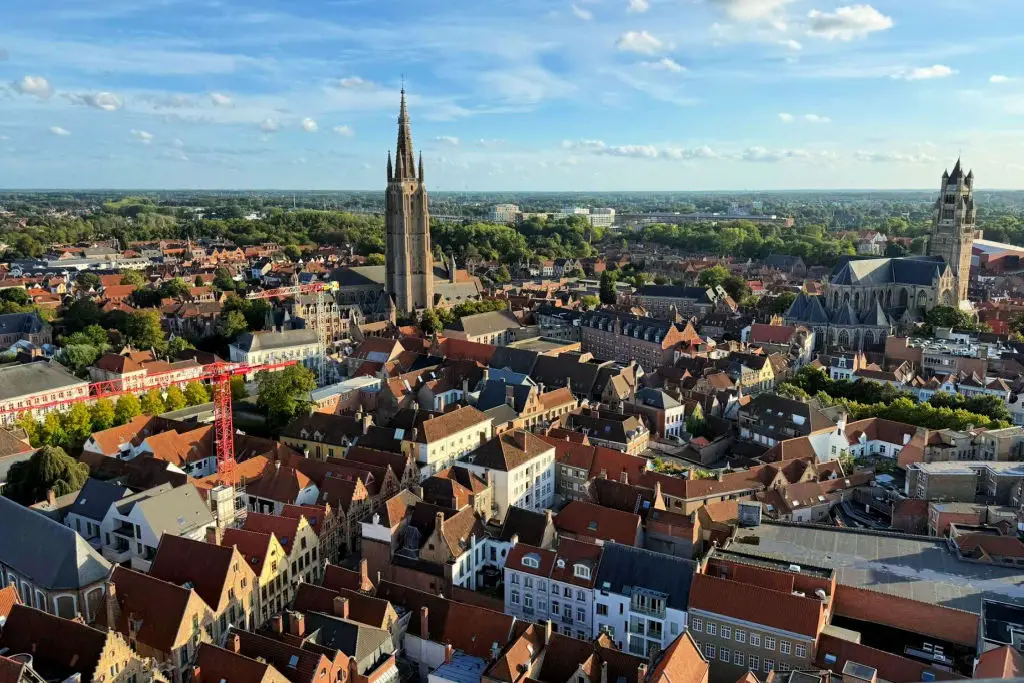
Parking can also be easier outside the busiest historic areas. Thus, consider using designated car parks and continuing into the centre on foot. Walking saves money while allowing you to look around leisurely and reduce the risk of accidentally entering a restricted street.
Be Careful in Ghent and Antwerp
Motorists in Ghent have to be particularly cautious because parts of its central area operate under a circulation plan that limits through-traffic. Certain streets and areas may be inaccessible to ordinary vehicles or require drivers to follow designated routes. Check official local traffic information before driving into central Ghent.
Antwerp also has an established low-emission zone covering much of the central area. Whether a vehicle can enter depends on its emissions characteristics and registration.
Tips for Travellers
The rule of thumb if you plan to drive in Belgium is to check restrictions before entering a city. Don’t wait until you’re there to confirm LEZs. Additionally, find out about restricted-access areas, pedestrian-only roads, and parking regulations, among other rules. Note that some rules might change depending on circumstances.
Don’t rely solely on your vehicle’s navigation when driving. While useful, sat-nav might not tell you the reason for restricted access.
When renting a car, provide the company with your planned destinations and confirm whether any registration or environmental requirements apply. Don’t forget to check the rental agreement for responsibility regarding traffic fines.
For smooth and affordable travel, check the latest official restrictions for the Belgian destinations you intend to visit. Confirm your rental vehicle’s eligibility, and identify suitable parking before entering each city. With these precautions, you can enjoy the flexibility of driving while avoiding the most common mobility headaches in Belgium’s historic centres.
We Need Your Help
Did you find this article helpful? Bookmark it and use the links below when planning your next trip. You’ll get the best prices, we may earn a small commission, and it helps keep this site running.