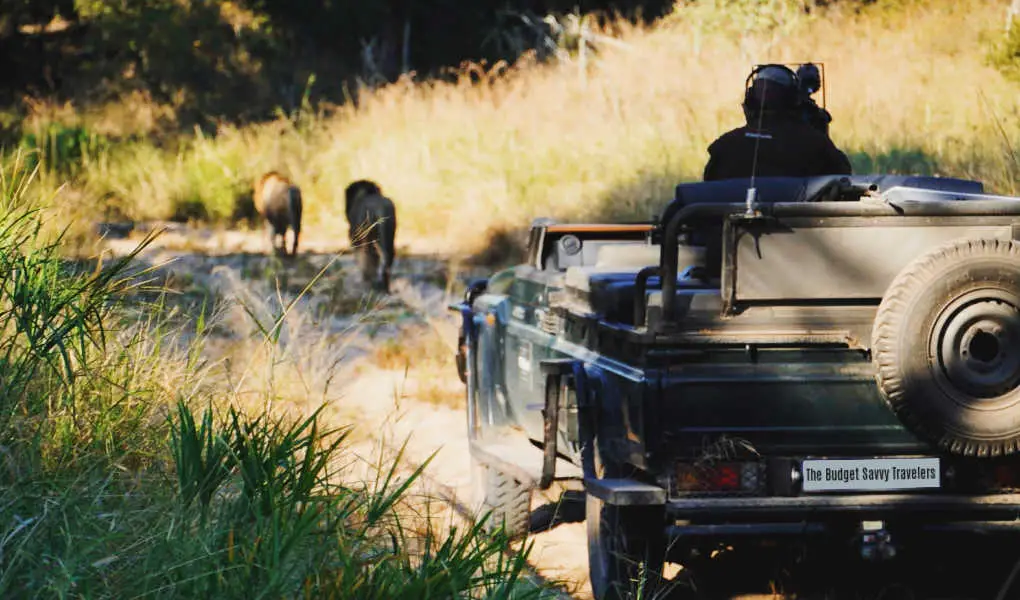
Safari prices have a talent for crushing dreams into oblivion. You see a glossy $20,000 package, conclude that Africa is priced for people who own islands, and quietly close the tab. Understandable, but also mostly wrong.
A good African safari in 2027 doesn’t require a small fortune; it requires knowing where the money is actually going, and making sure it’s not getting wasted.
Timing, country choice, and a handful of unglamorous decisions can cut thousands off the total while still delivering the wildlife, the landscapes, and the 5:30 a.m. drama you’re actually there for.
The Short Answer – HOW MUCH WILL AN AFRICAN SAFARI REALLY COST IN 2027?
A realistic mid-range guided safari in 2027 runs roughly $350–700 per person per day, covering lodging, meals, game drives, and park fees. Budget camping or self-drive lands around $150–350. Luxury starts near $750 and keeps going.
Here’s the part most people miss: you don’t need to spend your whole trip on safari. Two or three nights at the right lodge deliver the full bucket-list version: pre-dawn game drives, bush walks, night drives, canvas walls. By night four, most travelers are ready for a change of scenery.
→ So pick one lodge worth the splurge, ← we think it’s this one, and make those days count, and spend the rest of the trip somewhere cheaper, like wine country, the coast, a self-drive stretch, a road trip.
Shoulder season in South Africa or Namibia, plus fewer internal flights, stretch the budget the rest of the way.
Why This Guide Exists
Too many people talk themselves out of a safari because of the first BIG number they see. Costs swing wildly by season, country, and how you move between parks, and a few smart choices bring a genuinely great trip into reach without gutting the experience.
We pulled quotes from a dozen-plus operators across South Africa, Namibia, Tanzania, and Kenya, cross-checked them against current park fee schedules, and discarded anything hiding behind “call us for pricing.” What’s below is what people actually pay.
We also utilize Go2Africa to arrange our trips. Booking through them costs the same as assembling every piece on your own; the lodges pay their commission, not you, so what you’re really getting is the part you can’t buy yourself: someone on the ground when a bush flight shifts and your transfer is waiting at an airstrip hundreds of miles away.
And if you’re worried about safety — farm attacks, crime in cities, religious violence in certain regions — don’t be nervous. We’ve dug into all of that, and the short version is this: guided safaris in established reserves are extraordinarily safe. National parks and private reserves are specifically designed around visitor safety, with armed rangers, controlled access, and experienced guides. Urban crime and farm attacks are real issues in certain regions, but they’re nowhere near safari zones. You’re in managed spaces with people whose job is to keep you safe.
They plan trips for all budgets, so it’s worth seeing what your real number buys before you talk yourself out of it. Quotes are free, and there’s no obligation. 👇
— The Budget Savvy Travelers
Some links are affiliate links. We may earn a commission if you book, at no extra cost to you.
In This Guide
What a Safari Actually Costs in 2027
Daily rates are the cleanest way to compare, but only once you know what’s inside them. Most mid-range and higher quotes cover lodging, all meals, game drives, and standard park fees.
International flights, visas, tips, premium drinks, and extras like balloon rides sit outside that number. Batteries not included.
| Tier | Per Person Per Day | Typical Experience |
|---|---|---|
| Budget camping/self-drive |
$150–350 | Public campsites or simple tented camps, shared or self-drive vehicles, park fees, most meals |
| Mid-range guided | $350–700 | Comfortable tented camps or lodges, guided drives, all meals, park fees |
| Luxury | $750–2,000+ | Private or exclusive camps, higher guiding ratios, often a private vehicle |
Realistic 2027 ranges based on current operator pricing with expected modest increases. Always confirm the full inclusions list.
The gap between budget and mid-range is narrower than most people expect once you account for comfort, guiding quality, and hours not spent setting up a tent. The jump into true luxury is where the decimal points start migrating.
One honest caveat, and we tell everyone this: Africa is not the place to try shoestring travel for the first time. Distances are long, logistics are unforgiving, and the cheapest accommodation/operator is often cheap for reasons you’ll discover at the least convenient moment.
That’s also the reason we stopped booking these trips piecemeal ourselves and started using Go2Africa. When a flight shifts by three hours and your transfer is waiting at an airstrip 400 miles away, you want someone on the ground you can message, not a support ticket in another hemisphere. More on that below.
→ Save money by choosing the lodge that gives you the best safari for your money, then by choosing the right country and season.
We’ll get into the lodge part below, because you’re there for the lions, elephants, and leopards, not to count the thread on the sheets.
Where Your Money Goes Furthest
Country choice moves the total more than almost anything else.
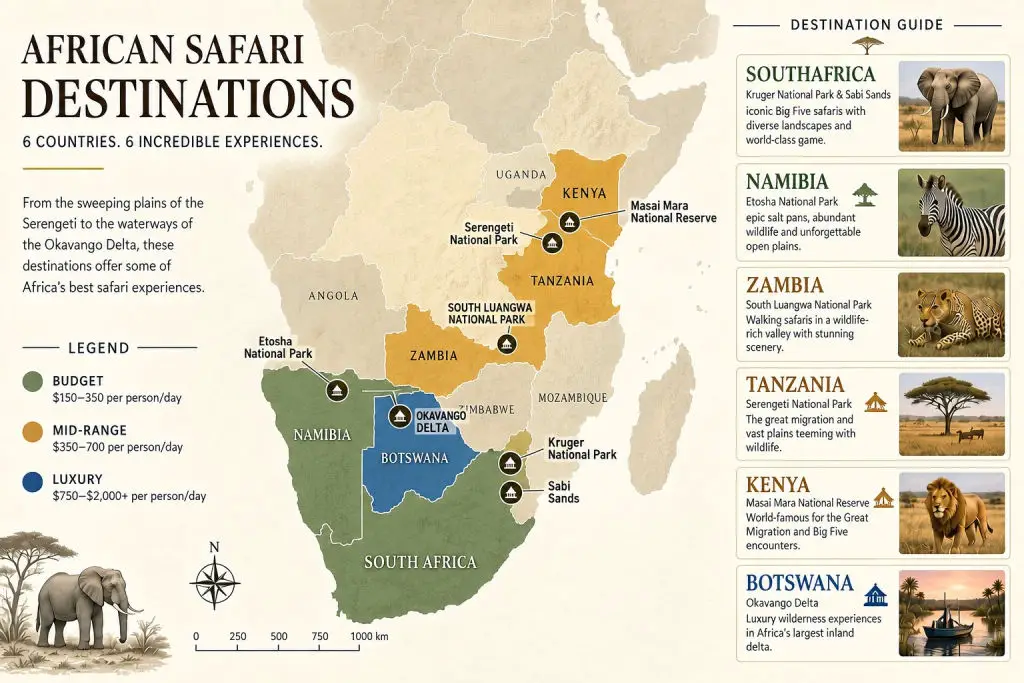
South Africa and Namibia consistently offer the best value. Tanzania and Kenya deliver the migration and the big-cat density, but park fees reflect that. Botswana is spectacular, exclusive, and priced like it knows it.
▪️ South Africa is the easiest entry point. Kruger’s rest camps and the surrounding private reserves let you dial costs up or down precisely, which is how you pinpoint value. Also, self-drive is genuinely straightforward, and several malaria-free options exist in the Eastern Cape.
▪️ Namibia combines excellent self-drive infrastructure with enormous landscapes and reliable wildlife at Etosha. Good roads, manageable distances, friendly cost structure.
▪️ Tanzania and Kenya are the migration heavyweights. Camping or well-chosen mid-range tented camps keep things reasonable, but park fees and the popularity of the Serengeti–Mara circuit push totals above southern Africa. Kenya’s conservancies often mean better value and fewer vehicles than the public reserves.
▪️ Zambia, especially South Luangwa, rewards anyone who wants walking safaris and a quieter feel at mid-range prices.
▪️ Botswana is its own category. Water-based safaris through the Okavango Delta and deliberately low vehicle density mean you’re paying for exclusivity as much as wildlife: fewer camps, fewer beds, and zero other Land Cruisers photobombing your elephant. Phenomenal. Rarely cheap. Go in with eyes open rather than sticker shock later.
The lesson from comparing quotes across all six: the wildlife has no idea what you paid. A $200 morning in Kruger (South Africa) can produce the same lion as a $1,200 morning in the Delta (Botswana). The premium buys privacy, exclusivity, and polish, not wildlife viewing.
Before You Book a Self-Drive Safari, Read This
Self-drive is the single most popular way people try to cut safari costs, and it’s the one place where saving money quietly costs you the trip.
Here’s the part nobody warns you about: you can spend an entire morning driving past animals and never see one. Not because they aren’t there. Because spotting wildlife in dense bush is a trained skill, and it takes years to build.
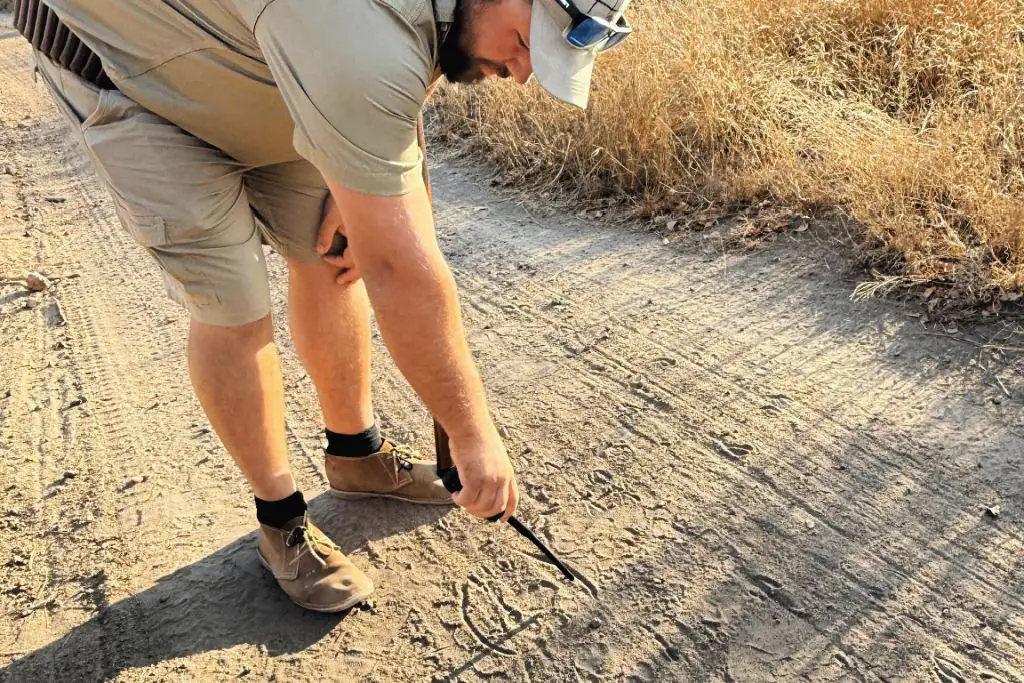
Professional guides read fresh tracks in the sand, listen for alarm calls from impala and baboons, watch which direction vultures are circling, and clock a leopard’s tail hanging out of a tree from 300 feet away at 30 mph. They’re also on the radio with every other vehicle in the reserve. You are on your own, squinting at a bush that looks like a snake, only to realize it’s just a stick.
💰 Budget-Savvy Tip: Go out with the professionals first. 👇
Two or three guided drives will teach you more than a week of solo laps: where animals rest at midday, what the tracks mean, how to read body language well enough to know when you’re too close, and why the guide suddenly stops talking.
The rule that actually matters: off-roading
In national parks like Kruger and Serengeti, vehicles are legally restricted to the roads. If the lions are sitting 750 feet off the track, you watch them through binoculars and hope for the best.
On private reserves like Sabi Sands, guides can leave the road entirely and bring you within a few feet of a lion pride, a denning leopard, or a breeding herd of elephants. Same animals, completely different experience. This is the real reason private reserve drives cost more, and for most first-timers, it’s the single best place to spend money.
So where does self-drive actually make sense? Namibia.
The roads are excellent, the landscapes are the main event, and Etosha’s waterholes do the hard work for you: park, wait, and the animals come to you across wide-open pans. No tracking skill required.
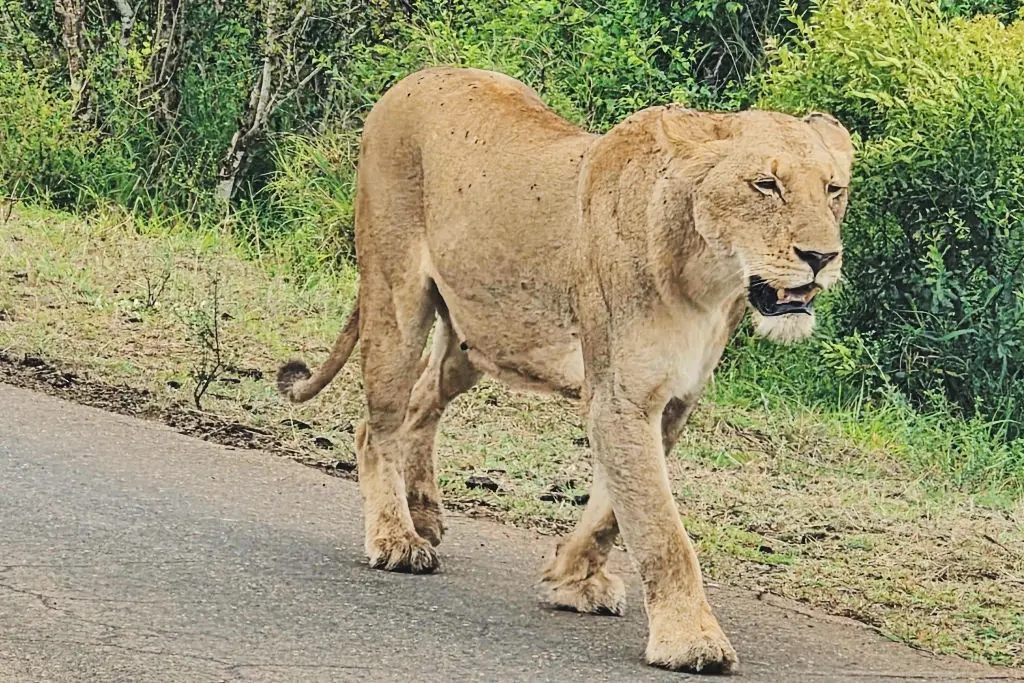
For Kruger and East Africa, treat self-drive as the affordable extension to a few guided nights, not the replacement for them.
The Decisions That Actually Save Money
These are the levers with real weight behind them.
▪️ Travel shoulder or green season. May–June and November often deliver strong viewing at noticeably lower rates with fewer vehicles. Green season (roughly November–April in southern Africa, shorter windows in East Africa) brings newborns, superb birding, and the deepest discounts — frequently 20–40% off peak.
▪️ Pick the country before the camps. Starting in South Africa or Namibia gives you far more room to stay comfortable.
▪️ Limit internal flights. Every airstrip hop adds cost. A tighter circuit with road transfers usually wins.
▪️ Stay longer in fewer places. Two or three nights per camp cuts transfers, repacking, and the sensation of being chased by your own itinerary.
▪️ Share the vehicle. Small-group drives drop the daily rate without changing the core experience for most people.
▪️ Front-load the guided drives. Spend on a private reserve first, then self-drive or self-cater afterward. You’ll see more and pay less than splitting the difference across the whole trip.
▪️ Interrogate the extras. Park fees, tips (commonly $10–20 per person per day), and optional activities stack up quietly. Get a complete inclusions list before you book.
One caution: price the whole trip, not the nightly rate. A $200-per-night saving on the lodge evaporates the moment two internal flights show up on the invoice.
Let Someone Else Price It Out
This is the part most people underestimate. Tell Go2Africa your budget and your dates, and they’ll come back with an itinerary that already accounts for season, park fees, and transfer timing. It costs no more than booking every piece yourself, they’re paid by the lodges, not by you.
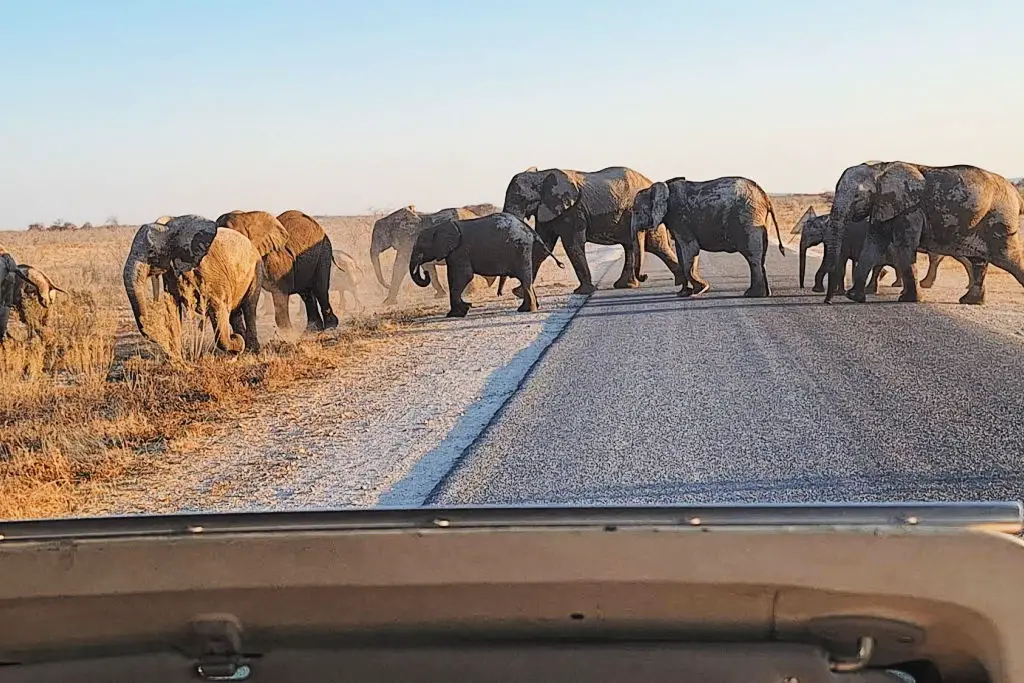
Sample Trip Budgets for 2027
Land-only estimates per person, based on a couple sharing. International flights excluded; actual quotes shift with dates and availability.
▪️ Cape Town + Winelands + Sabi Sand, 7–8 nights: roughly $2,800–4,500 per person — fly into Cape Town round-trip, spend four or five nights there and in Stellenbosch, then a short domestic hop to Skukuza for two guided nights on a private reserve. The version we’d actually recommend, because the safari is the only expensive part.
▪️ Kruger combo (South Africa), 7–8 nights: roughly $2,600–4,800 per person — two or three nights guided on a private reserve, then self-drive rest camps, park fees, and a mix of self-catering and meals. Best if you’d rather stay in the bush the whole time.
▪️ Mid-range guided Northern Circuit (Tanzania), 7–9 nights: roughly $3,500–6,000 per person — tented camps or lodges, guided drives, all meals, park fees.
▪️ Namibia self-drive (Etosha + surrounds), 8–10 nights: roughly $2,200–4,500 per person. The one country where going it alone genuinely works.
▪️ Game drives, Walking safari, South Luangwa (Zambia), 6–8 nights: roughly $2,800–5,000 per person — bush camps, guided walks and vehicle drives, all meals.
How We Actually Book These Trips
We’ve built plenty of itineraries the hard way: eleven browser tabs, a spreadsheet, and a lodge in Zambia that only answers email on Tuesdays. Realistically, the easiest and most affordable thing to do is hand it over to Go2Africa, and there are three reasons why.
▪️ It doesn’t cost extra.
This is the part people don’t believe. Book the same lodges, flights, and transfers yourself and you’d land on roughly the same number. Specialist operators are commissioned by the properties, so the planning, the pricing research, and the rebooking when something moves are all effectively free.
▪️ The pieces actually connect.
Safari logistics are less about booking and more about sequencing. Your international arrival needs to line up with a bush flight, which needs to line up with a transfer, which needs to reach camp before the afternoon game drive rolls out. They stitch that together, then drop in the extras — Cape Town wine country, Victoria Falls, a coastal stretch, a diving day in Zanzibar — so the cheap half of your trip is as well-organized as the expensive half.
▪️ You have people on the ground.
This is the one that matters. Flights get delayed, roads wash out, a camp floods/fires, luggage takes a scenic detour through Johannesburg. When you’re four hours from the nearest paved road, having someone local who can fix it with one message is worth more than any discount you talked yourself into.
They’ll work with just about any number, too. We’ve seen them build $2,000-per-person trips and $100,000 ones. Tell them the real budget up front, and they’ll build around it instead of pitching you the honeymoon version.
Worth knowing: quotes are free and there’s no obligation. Send your dates, your budget, and the one thing you most want to see. What comes back is a useful starting point even if you end up booking elsewhere.
Planning Timeline for 2027
Peak dry season (July–October) still rewards the early and organized. Shoulder and green-season dates are far more forgiving.
▪️ 12–18 months out: Lock preferred camps and core dates, especially for migration or popular private reserves.
▪️ 9–12 months: Book international flights once safari dates are set. Turn on price alerts.
▪️ 6 months: Visas or eTAs, travel insurance (we use Insubuy – also, CFAR coverage is worth a look), malaria guidance.
▪️ 3 months: Final payments, packing list, special requests.
▪️ 1 month: Reconfirm park fees, tipping norms, and internal logistics.
With a trip of this magnitude, solid and trustworthy travel insurance is non-negotiable on a trip like this. It’s the one souvenir you hope stays in the drawer.
You Don’t Need a Fortune — Just a Clear Plan
Choose the season and country that fit your budget, keep the itinerary focused, and the math stops being scary. Then let someone with people on the ground handle the moving parts — at no extra cost to you.
FAQ
How much should I budget for a first safari in 2027?
Most first-timers on a solid 7–10 day mid-range trip should plan on $3,500–7,000 per person, land-only. Self-drive in South Africa or Namibia comes in lower; high-season migration camps run higher.
Does using a safari operator cost more than booking it myself?
No. Specialist operators like Go2Africa are commissioned by the lodges and airlines, so the same itinerary generally costs the same whether you assemble it yourself or have them do it. What you gain is sequencing that actually works: flights lined up with transfers and camp arrival times, plus local support if something goes wrong mid-trip. They build trips across the full range, from around $2,000 per person to $100,000.
Is a self-drive safari worth it?
In Namibia, yes. Etosha’s open pans and waterholes mean the animals come to you, and the roads are excellent. Elsewhere, self-drive works best after a few guided drives. Spotting wildlife in thick bush is a trained skill, and first-timers routinely drive straight past animals without seeing them. Guided drives on private reserves can also leave the roads to get you close, which national parks prohibit.
Is green season worth the savings?
Sometimes, but don’t let anyone oversell it. The dry season’s real advantage isn’t just that animals cluster around water, it’s that the bush thins out.
Leaves drop, grass dies back, and you can see a hundred feet into terrain that’s a solid green wall in February. That visibility translates directly into more sightings, which is the whole point.
Green season gives you 20–40% off, fewer vehicles, newborn animals, dramatic skies, and superb birding. What it takes away is the ability to see through the scenery. Some roads also close, and a few camps shut entirely.
If it’s your one and only safari, pay for the dry season. If you’re returning, or you care more about photography and solitude than sighting volume, green season is a genuine bargain.
What’s the cheapest realistic way to do a safari?
Namibia self-drive, or a short guided stay on a South African private reserve paired with self-drive Kruger nights. A well-run small-group camping safari in Tanzania or Kenya during shoulder season also works, with a focused itinerary and minimal internal flights.
How far ahead should I book for 2027?
Peak dry season benefits from 9–18 months of lead time for the better camps. Shoulder and green-season dates often have good availability 6–12 months out.
We Need Your Help
Did you find this article helpful? Bookmark it and use the links below when planning your next trip. You’ll get the best prices, we may earn a small commission, and it helps keep this site running.