Dreaming of spotting lions, elephants, and giraffes in the wild, but worried about headlines on farm attacks in South Africa or attacks on Christians in parts of Africa? You’re not alone. We’ve been there, literally. We’ve done multiple African safaris, and we’re here to tell you: Let’s separate real risks about safari safety in Africa from the hype, so you can plan one of the world’s most unforgettable wildlife adventures, stress-free.
Understanding Real Risks for Safari Safety in Africa
So, what actually threatens safari-goers?
Farm attacks in South Africa and attacks on Christians in certain regions are real and tragic, but if you’re visiting established safari destinations, your chance of encountering or witnessing anything like this is essentially zero.
National parks and private reserves are specifically designed around visitor safety, with armed rangers, controlled access, secure lodges, and experienced guides. Tourism is a major economic driver, and people who’ve actually gone on safari, → us ←, along with foreign ministries, insurers, and operators, all agree on one thing: guided safaris are extremely low-risk for visitors.
🛡️ Safari Safety in Africa & Peace of Mind: That’s why we always book through operators with deep local teams and long-standing safety track records, like → Go2Africa. We’ve used them on multiple safaris in the past and will continue to do so, because doing it all ourselves would cost about the same, and they handle every little (and big) detail.
From vetting lodges to planning routes and managing on-the-ground logistics, they make sure you’re never left guessing. And if something goes sideways, there’s always someone just a call away to sort it out, making your adventure safe, smooth, and way more fun.
🦁🚙 Find the Perfect Safari With Go2Africa ➡️ Get a Quick Quote
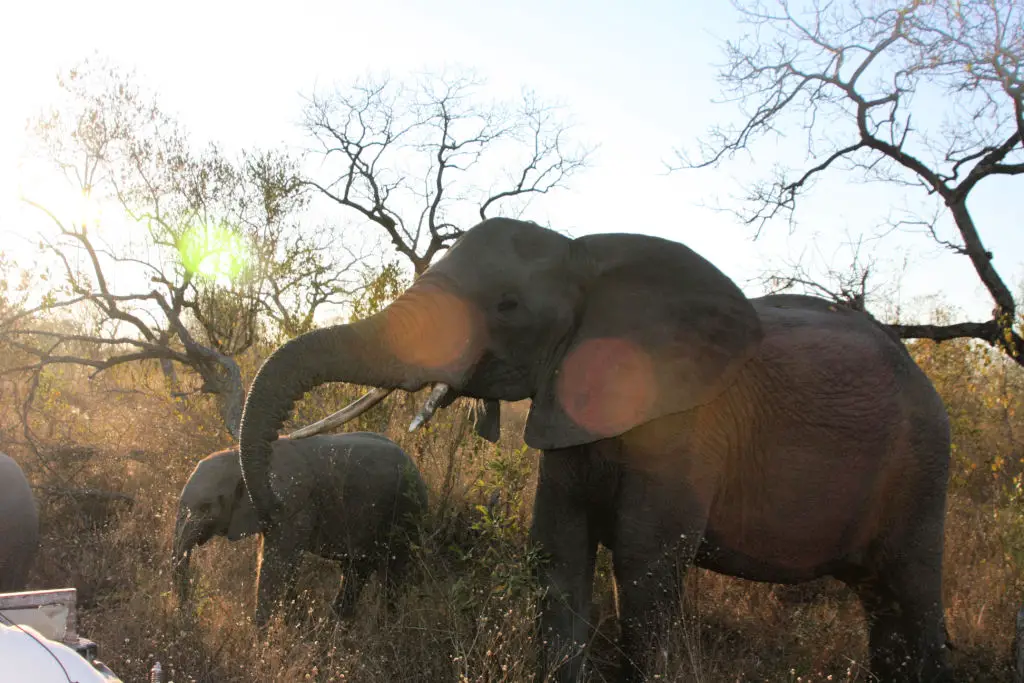
Realistically, the only “dangerous” encounter you might have is a curious elephant giving your jeep a brief chase. Even that is extremely rare, well-managed by guides, and more thrilling than frightening.
And if it does happen, you’ll be the lodge celebrity that night. Other guests will gasp, “You got chased by an elephant?” and quietly side-eye their guides for not delivering the same story.
The real considerations for travelers are the things safari operators plan for every day: common-sense safety, seasonal wildlife patterns, malaria precautions, and smooth logistics, factors that let you enjoy your safari without turning it into a “survival show.”
Farm Attacks in South Africa: Tragic, But Not Your Safari Problem
Yes, farm attacks in South Africa are real and tragic. In 2023/2024, around 49 farmers were murdered, a heartbreaking number representing real families and a serious rural security challenge.
Farmers often live on isolated properties, where emergency response can be slow, and attacks can be violent. These aren’t made-up dangers.
Where things get tricky is motivation. Many people believe that some of the attacks have a racial component, most commercial farmers are white, and racial language has been reported in certain cases. That perception deserves acknowledgment.
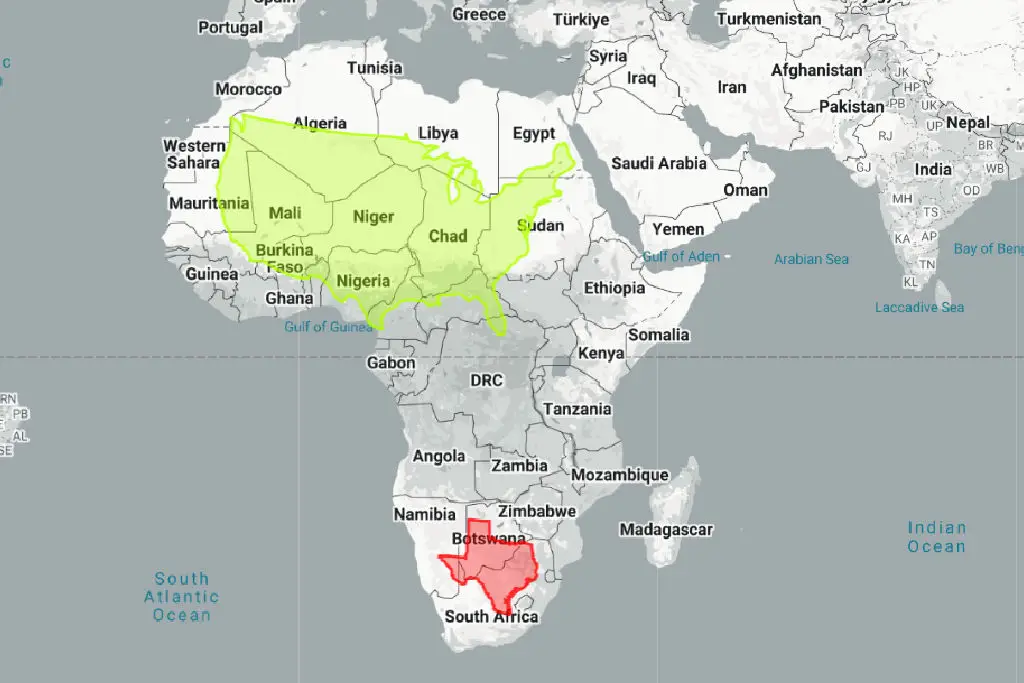
At the same time, available research and police data show no evidence of a centrally organized or government-backed campaign. Attacks affect farmers of all races and are most often driven by opportunistic robbery, violent crime, and the ideology of deep rural inequality. Motivation varies by incident.
Let’s Set Some Realistic Expectations
For travelers: farm attacks are a rural problem, not a safari problem.
You won’t be staying on working farms, driving lonely backroads at night, or living without security. National parks and private reserves are carefully managed with armed rangers, fences, and strict safety rules. Your Big Five adventure is safe, no crime scene drama included.
Urban crime is a separate issue. The U.S. State Department advises caution in South African big cities, just as it does for major U.S. cities like New York, Chicago, or Los Angeles. Safari zones, however, are a completely different environment.
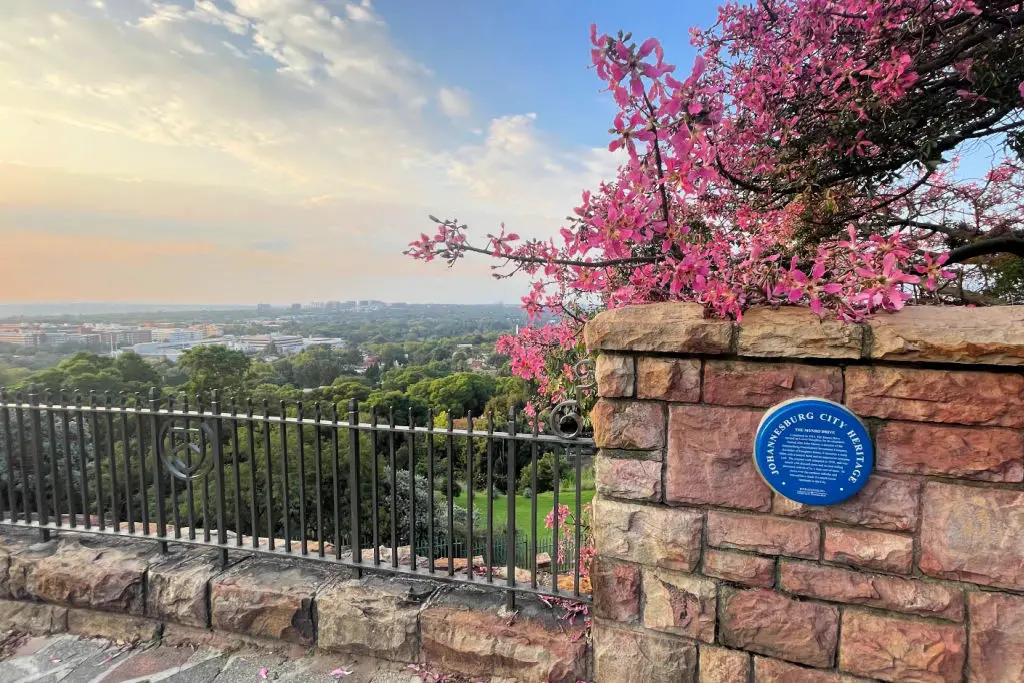
Think of it like visiting Chicago as a tourist. You go to Willis Tower, Millennium Park, Wrigley Field, and Michigan Avenue, not into neighborhoods even locals avoid. South Africa works the same way. Most travelers are met by local drivers or guides and taken directly to where they need to go.
Worrying about urban crime before heading into a national park is like stressing over street crime before visiting Yellowstone. It adds anxiety, not accuracy.
People who have actually gone on safari, including us, along with foreign ministries, insurers, and safari operators, all agree on one thing: guided safaris are extremely low-risk for visitors.
Religious Persecution: Serious, But Not a Safari Concern
Christian persecution is a real human rights issue in parts of Africa, particularly in Nigeria, the Democratic Republic of Congo, and Mozambique. This matters globally. These regions are far from the safari routes most travelers ever visit.
For safari travelers, these conflicts occur far from the destinations you’re likely to visit. Your religious identity doesn’t affect safety on guided safaris in countries like South Africa, Tanzania, Botswana, Kenya, or other destinations covered in this post, except for Mozambique.
That’s why you can focus on spotting lions, giraffes, and elephants without worrying about danger. The most “threatening” encounter you’re likely to have is a cheeky monkey trying to steal your lunch or a giraffe getting a little too curious, which is still much more fun than scary.
🦁 Find Your Perfect Safari: The perfect safari blends splurges with smart budget choices. Go2Africa’s quiz tool helps you craft the ideal trip, no matter your budget. Check it out below!
Breaking Down the Safest (and Most Rewarding) Safari Destinations
Africa isn’t a monolith; it’s a continent of diverse countries with very different safety profiles. To make sense of it, many governments use travel advisory levels:
- Level 1 – Exercise normal precautions: Low risk, safe for most travelers.
- Level 2 – Exercise increased caution: Moderate risk; be aware of your surroundings.
- Level 3 – Reconsider travel: Higher risk, some areas may be dangerous.
- Level 4 – Do not travel: Highest risk, serious danger; avoid entirely.
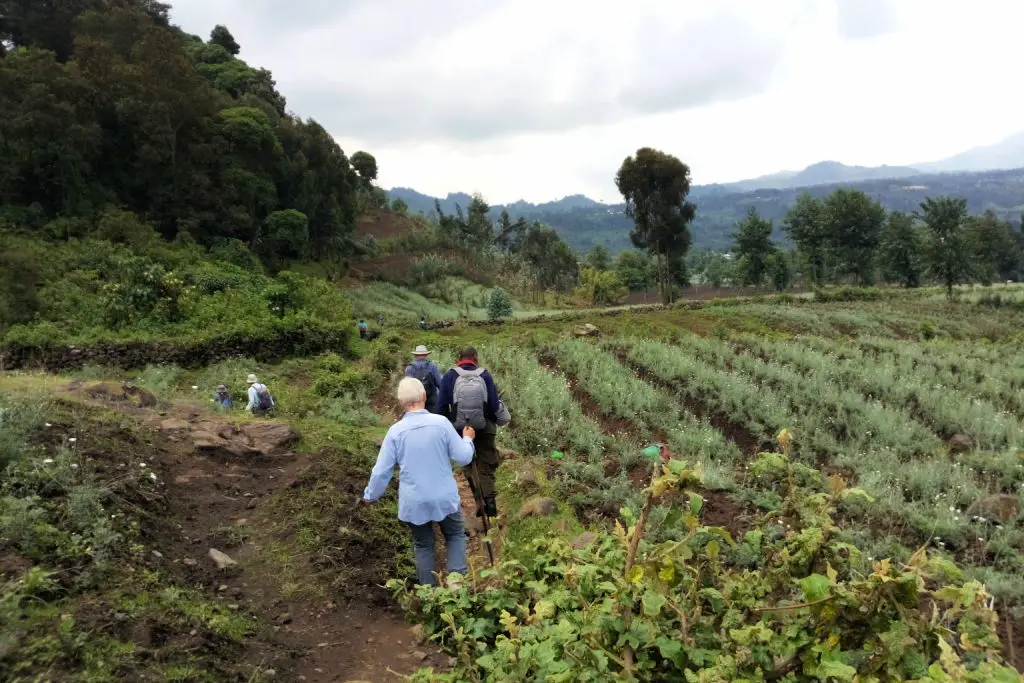
Most safari destinations fall into Level 1 or 2, even if urban areas elsewhere in the country are rated higher. Guided safaris operate in safe, managed zones far from trouble.
Here’s how the top safari spots actually stack up:
East Africa: Tanzania, Kenya, Uganda, Rwanda, and Zanzibar
This is classic safari territory. Big migrations, iconic wildlife, and routes that have been hosting travelers for decades.
While some cities carry advisories, safari itineraries here are tightly organized, well-protected, and designed so your biggest decision is whether to look left or right when the lions show up. Plus, options exist for every budget, from cozy lodges and mid-range camps to luxury tented camps, so unforgettable wildlife encounters don’t have to melt your credit card.
→ Tanzania
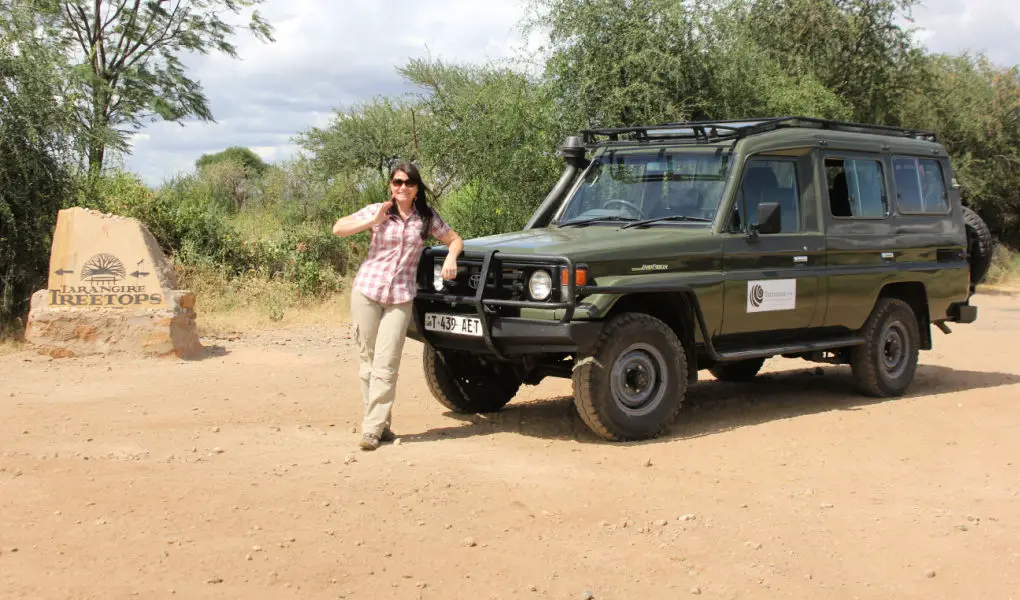
With a Level 3 advisory, Tanzania suffers from some unrest and terrorism risks in urban areas, but the national parks like Serengeti and Ngorongoro Crater are remote wildlife havens. You’ll see more wildebeest than people here. Zanzibar adds a chill beach cooldown without extra flights.
For context, major cities in the U.S. and Europe all have neighborhoods where travelers are advised to be more cautious. That doesn’t stop people from visiting Yellowstone, Paris, or the French Riviera.
It just means you stick to the places designed for visitors. In East Africa, safaris work the same way. Your route is carefully planned, so your biggest concern is whether you have enough storage for all of the videos you take.
→ Kenya
Typically rated Level 2, Kenya is largely because of urban and regional concerns. The Masai Mara, however, is a tightly managed safari zone designed around visitor safety. Nairobi can feel busy and chaotic. The bush feels like another planet, one with lions, sunsets, and zero email notifications.
→ Uganda and Rwanda
Considered hidden gems, Uganda and Rwanda offer some of the best gorilla trekking and intimate wildlife encounters in Africa. Uganda is Level 3 for urban crime, while Rwanda is remarkably stable at Level 1. Any theft you hear about is mostly an urban nuisance, not something you’ll run into while on safari.
Southern Africa: South Africa, Botswana, Zimbabwe, Zambia, Namibia, and Mozambique
Southern Africa is all about options. Self-drive safaris, luxury lodges, the most amazing Big Five game drives, desert landscapes, and wetlands, sometimes all in one trip. Yes, cities have their challenges, but safari areas are purpose-built for travelers and run like well-oiled machines, just with more elephants and fewer emails.
→ South Africa
At Level 2 for urban crime, the country’s Kruger and private reserves deliver Big Five sightings in secure settings. Budget-friendly accommodations and self-drive options make it great for first-timers. Farm attack fears? Not relevant for safari guests. National parks here are heavily managed.
→ Botswana and Namibia
Safety superstars at (Level 1-2), these destinations offer pristine wildlife viewing with minimal crime and expansive scenery. The Okavango Delta and Etosha Pan are standouts. Namibia is probably the best African country for a self-driving safari!
→ Zimbabwe and Zambia
Both countries sit at Level 2 for crime ratings with some economic challenges, but tourist hubs around Victoria Falls and Mana Pools are protected. Leopard sightings and walking safaris make the slight extra caution worthwhile.
→ Mozambique
The north carries a Level 3 rating, but southern regions are tranquil for beaches and marine wildlife.
Island Alternatives: Seychelles, Mauritius, and Madagascar
These islands swap game drives for beach time, weirdly wonderful wildlife, and a slower pace. Think less “track the lion” and more “how did this lemur get here,” with safety profiles that make them easy, laid-back additions or standalone escapes.
→ Seychelles and Mauritius
Level 1 paradises where petty crime exists, but islands are secure and isolated. Both destinations offer giant tortoises and pristine beaches for stress-free escapes.
→ Madagascar
At Level 2 with patchy infrastructure, Madagascar has organized tours make logistics easy. Lemurs, chameleons, and unique biodiversity are worth the effort.
Budget Safari Planning: Costs and Options
Safari costs vary widely depending on where you go, how fancy your lodge is, and whether you’re aiming for “wildlife luxe” or “budget-friendly adventure.”
Here’s the reality: safari nights are pricey, but they’re usually just a few nights on a 7-10 night trip. For example, on a trip to South Africa, you might do four nights in Cape Town exploring the city and beaches, then three nights on safari in Kruger.
The high cost concentrates on those safari nights, not your entire trip. That changes the math considerably when you’re budgeting.
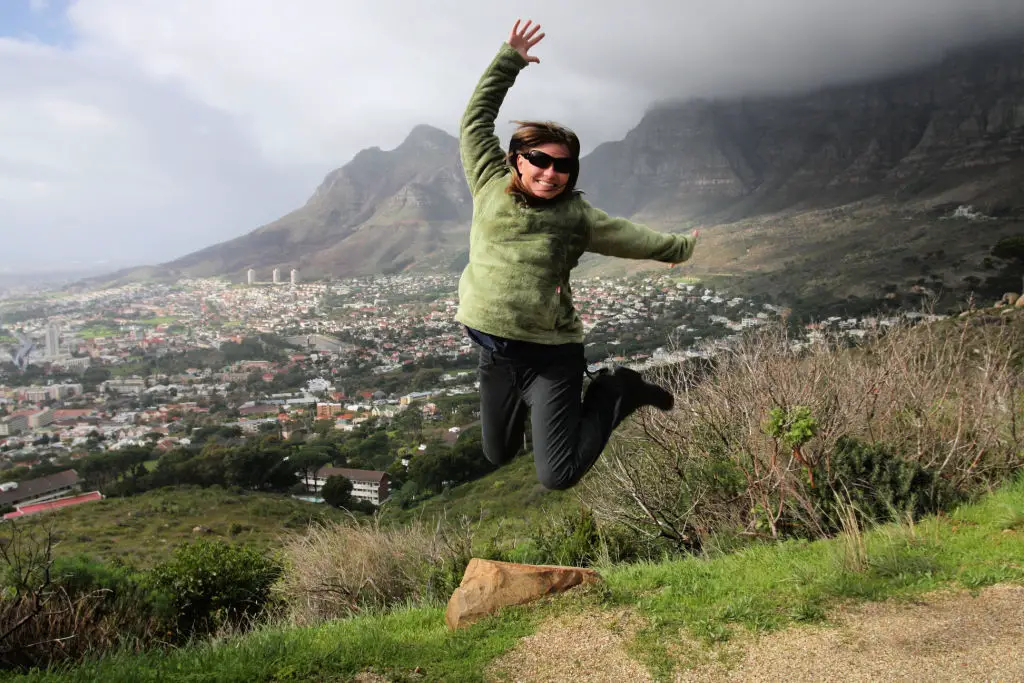
Most of the other days will consist of transitioning between parks, exploring towns/cities, or sightseeing outside the safari zones, all much more affordable. Spending a bit more on the core safari nights ensures you’re comfortable, safe, and actually enjoying the experience.
Here’s a quick snapshot to help you plan average costs with full board:
| Destination | Cost/Night Per Person | Best For | Watch Out For |
|---|---|---|---|
| South Africa (Kruger/Sabi Sands) | $200+ | First-timers, budget-conscious | Urban crime: National parks themselves are very safe |
| Tanzania/Kenya (Serengeti/Masai Mara) | $400+ | Wildlife fanatics, photo buffs | Crowds in peak season (malaria risk is real but very manageable) |
| Botswana (Okavango Delta) | $600+ | Splurge-worthy exclusivity | Higher cost, seasonal water levels |
| Namibia/Zambia | $250-400 | Self-drivers, unique scenery | Infrastructure gaps, flights can be tricky |
What Actually Matters When Planning Your Safari
Beyond choosing a destination and budget, there are several core decisions and preparations that separate a smooth, enjoyable safari from a stressful one. These aren’t minor details; they’re the difference between confidently booking a life-changing trip and spinning your wheels with worry.
Let’s walk through what actually moves the needle on safety, comfort, and peace of mind:
Pick a reputable operator. Companies like Go2Africa handle logistics, vet lodges, and have on-the-ground support. If a flat tire or a rogue baboon interrupts your plans, they’ve got you covered.
Choose your season wisely. Dry months mean better wildlife spotting and fewer bugs. Peak season? Expect bigger crowds and higher prices. Think of it as choosing between a quiet yoga retreat and a sold-out music festival.
Get affordable travel insurance. Covers medical emergencies, cancellations, and evacuation; way more useful than stressing over low-probability risks.
Use common sense in cities. Avoid flashing valuables, don’t wander alone at night, and skip sketchy neighborhoods. The same rules apply whether you’re in Nairobi, Johannesburg, or your hometown.
Trust your guides in the parks. Rangers and lodge staff know their terrain. You’re in safe, managed zones, not starring in a survival show.
Ready to stop overthinking and start planning? The wildlife doesn’t check the news headlines, and your safari will be unforgettable.
Take the next step to see which destination matches your style and budget. 👇
FAQ: Beyond the Headlines; Practical Fears and Smart Solutions for Safari Safety in Africa
What if I get sick on safari? What about malaria?
Malaria is real, but manageable. Lodges are stocked with basic medical supplies, and most have radio contact with emergency services. Chat with a travel doctor six weeks before departure about antimalarial options: Malarone, Doxycycline, or Atovaquone-Proguanil. Some travelers skip pills and rely on mosquito prevention instead.
💡 Tip: Sleep under nets, apply repellent in mornings/evenings, and throw on long sleeves after dark. Malaria-free destinations exist in Southern Africa (higher elevations, some reserves), so pick what feels right for you. Other potential hiccups, like traveler’s diarrhea, are usually mild, and bottled water is standard.
What if flights cancel or emergencies happen?
This is where local support saves the day. With an operator like Go2Africa, you’re backed by a 24/7 team on the ground. Missed flight? They reroute you. Feeling sick? They handle medical care. Lodges full or roads closed? They problem-solve in real time. Solo travelers emailing a US office? Stress city. With local support? Smooth sailing. Having boots-on-the-ground staff is non-negotiable for peace of mind.
Will I get scammed? Are there hidden costs?
Scams exist, but are avoidable. Stick with registered operators (KATO in Kenya, TATO in Tanzania), check TripAdvisor/Google reviews, and get everything in writing. Confirm they accept major payment methods—no shady wire transfers. Surprise park fees or optional excursions happen more than fraud. A reputable operator front-loads costs so there are no surprises. Transparency = happy clients.
Getting around, do I rent a car?
Don’t navigate alone. Operators provide vetted drivers, safe routes, and handle borders. No figuring out left-side driving in Nairobi traffic or dodging potholes in the dark. They also coordinate inter-destination transfers so you just sit back and enjoy the scenery.
How’s the WiFi? Can I contact home?
Modern lodges have WiFi and cell service. Don’t expect fiber speeds, but WhatsApp and calls work. Some safaris even encourage “digital detox.” Unplugging can be a feature, not a bug. Bring a power bank and enjoy the break from notifications.
Vaccinations and paperwork?
Start early, 6-8 weeks ahead. Among the destinations discussed here, Uganda requires proof of yellow fever vaccination for entry, regardless of where you’re coming from. South Africa, Rwanda, Tanzania, Kenya, Zambia, Zimbabwe, Mozambique, Namibia, and Botswana require proof only if you’re arriving from or transiting through a yellow-fever-risk country, which can include common African flight routes.
Other countries may recommend typhoid, hepatitis A/B, tetanus boosters, etc., but that’s up to you and your doctor to decide. Travel insurance covering medical evacuation is cheap and essential. Keep copies of vaccinations, insurance, and a passport on hand.
Feeling out of place? How to interact respectfully with locals?
Good operators include cultural experiences with ethics built in. Guides explain customs, modest dress codes, and etiquette. You won’t stumble into a village like a random tourist; locals are curious, friendly, and welcoming. Don’t snap photos without permission, respect sacred sites, and tip your guides, they make the magic happen.
What if the weather ruins plans or lodges close?
Rain happens, seasons change, operators adjust. If roads are flooded, guides pivot to other parks or activities. Lodges occasionally close or book up. Good, affordable travel insurance covers extreme cancellations. Local knowledge means you’ll avoid unnecessary surprises.
How much will this safari really cost per person?
Safari budgets vary by destination and style. South Africa & Namibia: $200-400/night. Tanzania & Kenya: $400+/night. Botswana: $600+/night for exclusivity. Add flights, tips, and insurance. Week-long trip from the US: $3,000-6,000 (budget-mid-range), $8,000+ (luxury). Book early, travel off-peak, and bundle destinations to save cash.
What should I pack?
Essentials only: insect repellent, long sleeves/pants for evenings, sturdy shoes, sunscreen, light rain jacket, power bank, and copies of documents. Lodges supply toiletries, linens, and laundry. Pack light—no need for a week’s worth of luggage drama. Bring medications, first aid basics, and leave the fancy jewelry at home. Your lodge’s got the essentials, but having your own gives peace of mind.
Your Safari Awaits – Stop Worrying, Start Packing
Farm attacks and religious persecution are serious realities when it comes to safari safety in Africa, but they aren’t reasons to skip one of the world’s greatest adventures.
Your safari fears are understandable. Your safari dreams are justified.
With facts in hand, malaria precautions sorted, and a trusted operator booked, you’re ready to turn jitters into the trip of a lifetime.
We Need Your Help
Did you find this article helpful? Bookmark it and click the links below when planning your next vacation. You’ll get the best price, we’ll earn a small commission, and you’ll help support future articles.