Here’s something the Colorado tourism industry would rather you not think too hard about: the most famous mountain towns aren’t the best ones. They’re just the most expensive to market, and somewhere along the way, the price tag became the point.
Aspen has the brand. Telluride has the film festival. Vail has the ski resort PR machine working around the clock.
Pagosa Springs? It sits quietly at 7,500 feet in the far southwestern corner of the state, cradled by the San Juan Mountains, bisected by a river, and stubbornly unbothered by all of it. No celebrity sightings, no $22 cocktails, and no sense that the town exists primarily as a backdrop for someone’s Instagram.
Just mountains, hot springs, genuinely good food, and actual affordable resort stays.
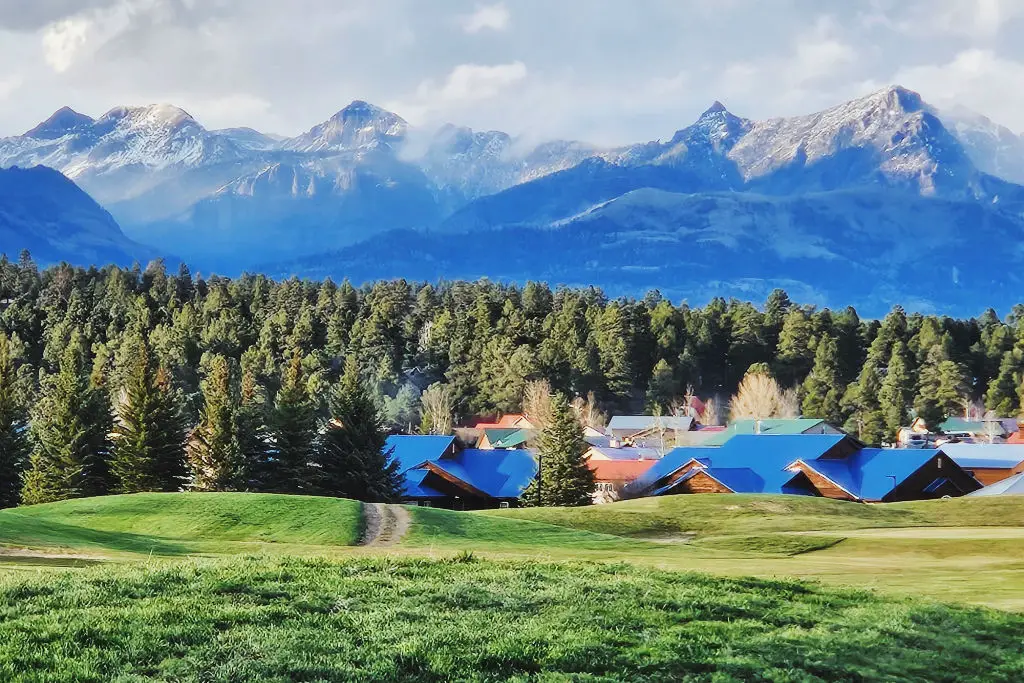
Proof We Actually Went
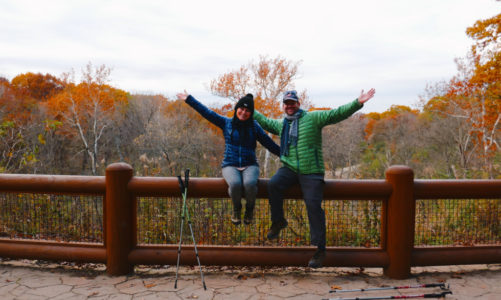
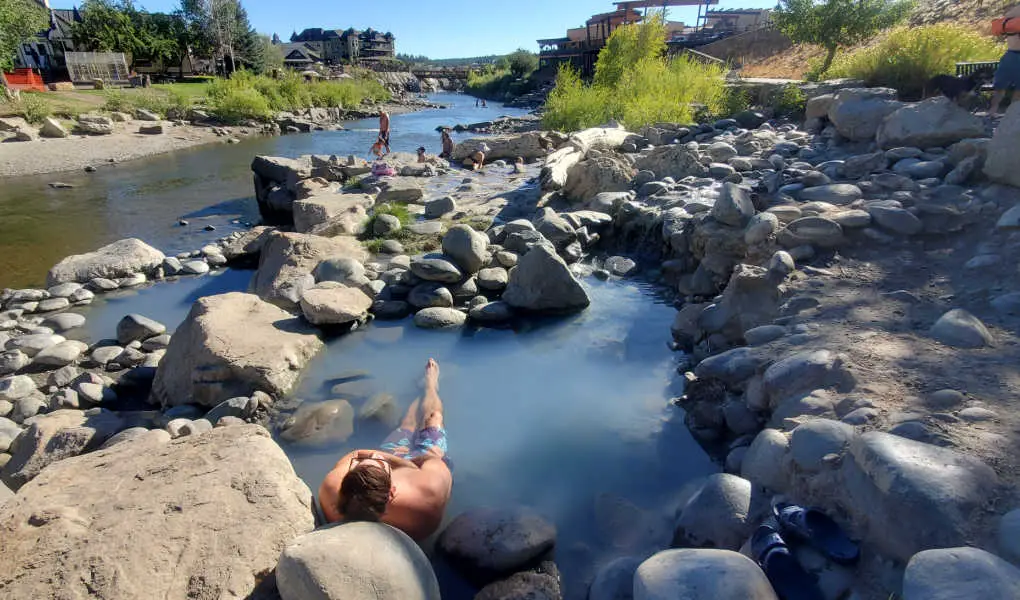
Fresh off a multi-month stay at Club Wyndham Pagosa, here’s the rundown: hiking until our legs complained, soaking in hot springs that hold a Guinness World Record, and dinners that didn’t require a second mortgage. The whole trip left that specific feeling you only get when you’ve stumbled onto something most people haven’t found yet.
🏔️ Quick Book: Top Picks for Pagosa Springs
🏨 Club Wyndham Pagosa
Best budget resort · from ~$90/night
🌡️ The Springs Resort & Spa
On the hot springs · best for couples
🛖 Motel SOCO
Boutique style · best for short stays
Some links may be affiliate links. We only recommend places we’d genuinely book ourselves. — The Budget Savvy Travelers
☰ 📋 In This Guide — Table of Contents click to expand
- Why Pagosa Springs Is Colorado’s Best Kept Secret
- Getting There: How Far Is Pagosa Springs From You?
- As Long As You’re This Close to Durango
- The Hot Springs (Yes, They’re Actually the World’s Deepest)
- Where We Stayed: A Crazy Affordable Resort
- Pagosa vs. Aspen vs. Telluride: The Numbers
- What to Do Besides Soak Until You’re Pruny
- Where to Eat: What the Locals Already Know
- When to Go: The Honest Truth About Each Season
- About the Altitude — Don’t Skip This Section
- The Real Numbers: What This Trip Actually Costs
- FAQ — Real Questions, Answered Without the Brochure Voice
Why Pagosa Springs Is Colorado’s Best Kept Secret
The reason Pagosa Springs hasn’t been overrun is the same reason it took you this long to hear about it: it’s not near anything famous.
No interstate runs through it. No major airport sits nearby.
It’s tucked into Archuleta County in the far southwestern corner of Colorado, closer to New Mexico than to Denver, and that geographic isolation has done something remarkable. It’s kept the place real.
Walk the main street in Aspen, and you’re essentially walking through an open-air luxury mall at altitude. Walk the main street in Pagosa, and you’ll find a hardware store, a river running through the center of town, a diner where the coffee comes in a regular mug, and locals who have absolutely no idea why you’d drive four hours to stand in a lift line with investment bankers.
This Town Never Got the Tourism Makeover
The town hasn’t been polished for tourism. It’s just a place where people live, and they happen to have the world’s deepest geothermal hot springs right in the middle of it.
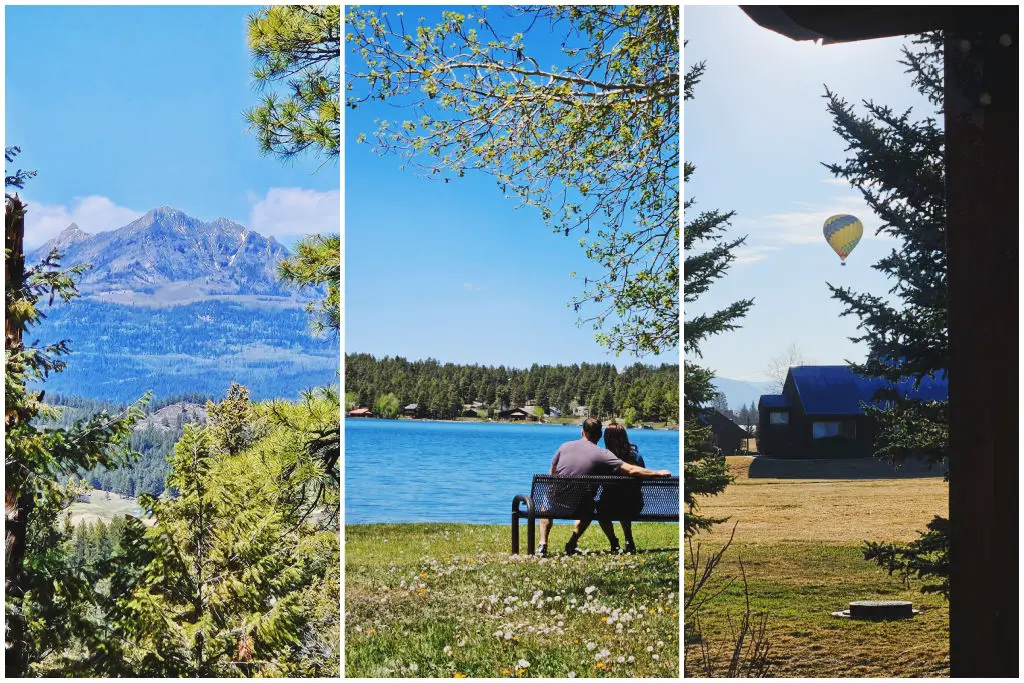
At 7,500 feet, the air has that electric quality that lower-elevation destinations spend millions of marketing dollars trying to approximate, and the San Juan Mountains rise in every direction. Elk and mule deer wander through at dawn and dusk, and you can pay for all of it, the whole mountain-town experience, hot springs, hiking, and clean air and genuine quiet, for what you’d spend on two nights of parking in Vail.
“After a while, you start craving a town where the cowboy hats have sweat stains instead of sequins, and the guys climbing out of the feed truck at 5 p.m. are actual ranch hands, not bachelorette parties playing Yellowstone.” – Audrey, The Budget Savvy Travelers
feet
Getting There: How Far Is Pagosa Springs From You?
Pagosa Springs sits along US Highway 160 in Archuleta County, southwestern Colorado. The remoteness is part of the charm, but it does mean you’re driving, and it’s worth knowing what you’re in for.
→ The good news: every approach is scenic, the Wolf Creek Pass crossing from the east is one of the most dramatic drives in the entire state, and that same pass puts you within 23 miles of Wolf Creek Ski Area, Colorado’s snowiest mountain, on the way in.
From Santa Fe, you cut through high desert and piñon country before the San Juans rise up ahead of you. There is no bad way to arrive, but we highly recommend taking your time.
Turns Out the Drive Itself Is an Attraction
From Santa Fe, we detoured past Georgia O’Keeffe’s Home & Studio on Route 84 in Abiquiu, which is absolutely worth it, then rolled past Ghost Ranch and the massive Sandstone Fin, a landscape so absurdly beautiful it practically forces you to pull over and question why you don’t road trip more often.
As we got closer to Pagosa Springs, we stumbled upon a huge herd of elk grazing near the road, which felt like Colorado’s way of saying, “Welcome, now slow down.” Sunrise and sunset are prime wildlife hours out here, so keep your eyes up and your speed reasonable. Smashing into a 700-pound elk is an expensive and deeply unpleasant way to begin a hot springs vacation.
✈️ Getting to Pagosa Springs
No airport in Pagosa itself — fly into Denver (DEN) for the most flights and best prices, or Durango-La Plata (DRO) for the shortest drive. You’ll need a rental car either way.
✈️ Fly into Denver (DEN)
Most flights, best fares · 4.5 hrs to Pagosa via US-160
✈️ Fly into Durango (DRO)
Closest airport · just 1 hr drive to Pagosa · fewer routes
🚗 Rental Car
Essential for this trip — AWD recommended in winter
Some links may be affiliate links. We only recommend services we’d use ourselves. — The Budget Savvy Travelers
As Long As You’re This Close to Durango, You Better Know About These
Pagosa puts you about an hour from Durango, which means you’re also an hour from some of the best adventure tours in southwestern Colorado. Don’t waste the proximity.
🚂 The Durango to Silverton round-trip train is the one everyone talks about, and it earns the hype. A coal-fired steam train winds through the San Juans for seven hours of scenery you can’t get from a car window.
🚣 If you’d rather get wet than watch scenery go by, the Animas River whitewater rafting trip is a local favorite for a reason, rated nearly perfect by people who’ve actually been thrown around by it.
🏹 If ancient history is more your speed, the Mesa Verde Cliff Palace tour gets you into 700-year-old cliff dwellings with lunch included, a full day well spent.
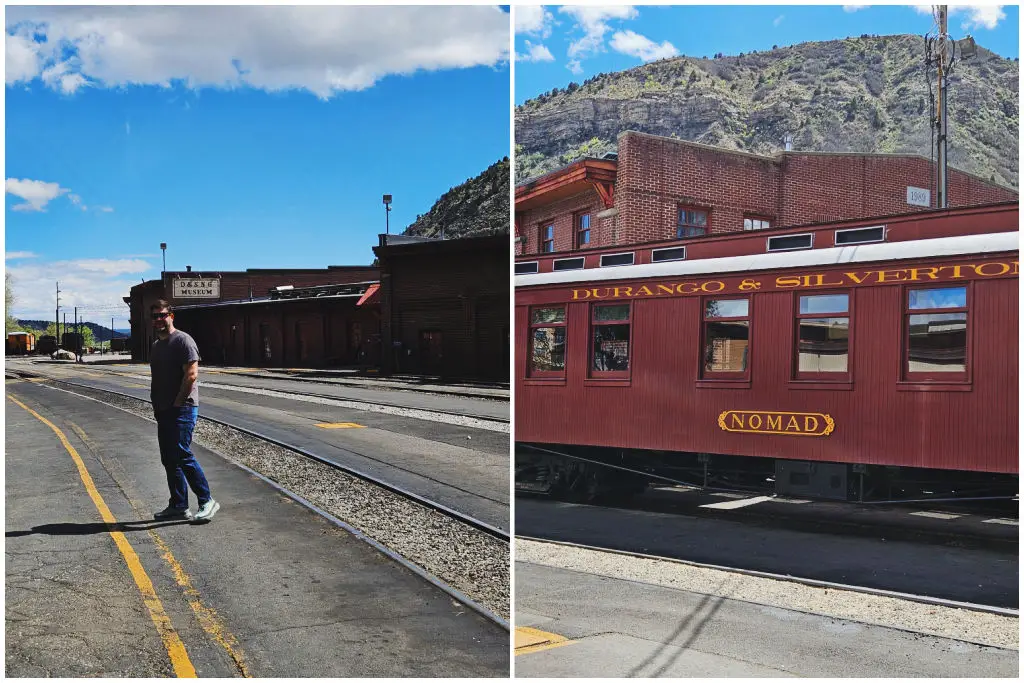
🗺️ Go Off Script Near Durango
Steam trains, whitewater, ancient ruins, mountain jeep trails. One hour from Pagosa and a completely different kind of day.
The Hot Springs: Yes, They’re Actually the World’s Deepest
Pagosa Springs didn’t get its name by accident. The hot springs here aren’t a roadside attraction or a converted old motel pool.
→ They’re the real deal. The Great Pagosa Aquifer holds the Guinness World Record as the world’s deepest geothermal hot spring, plunging more than 1,000 feet below the surface. The water comes up at temperatures above 140°F and gets cooled into a series of pools ranging from pleasantly warm to “this is probably illegal somewhere.”
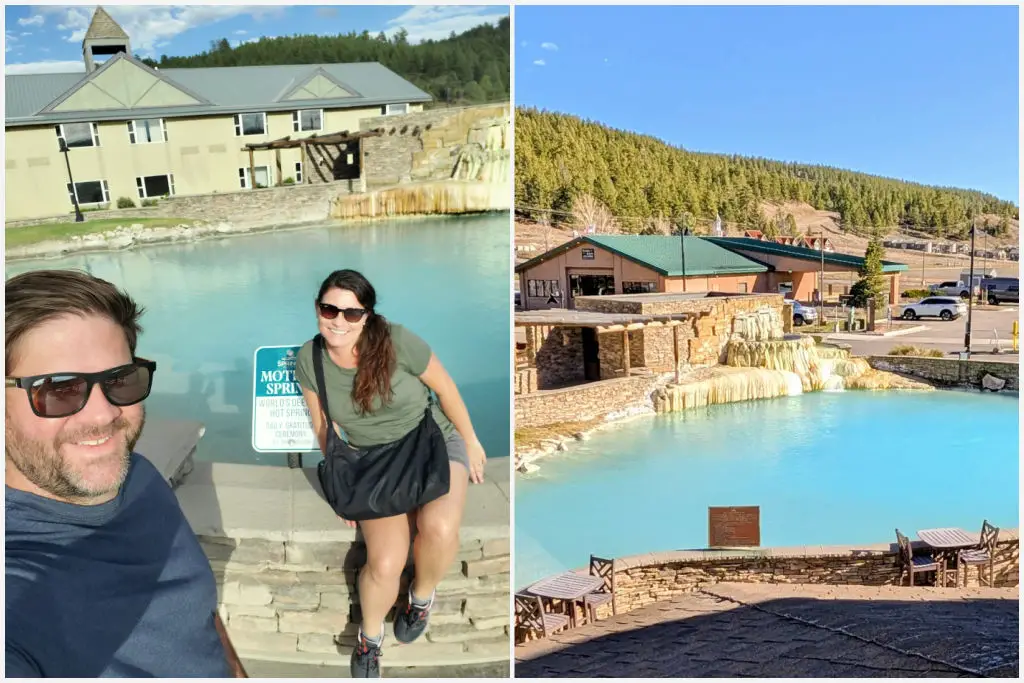
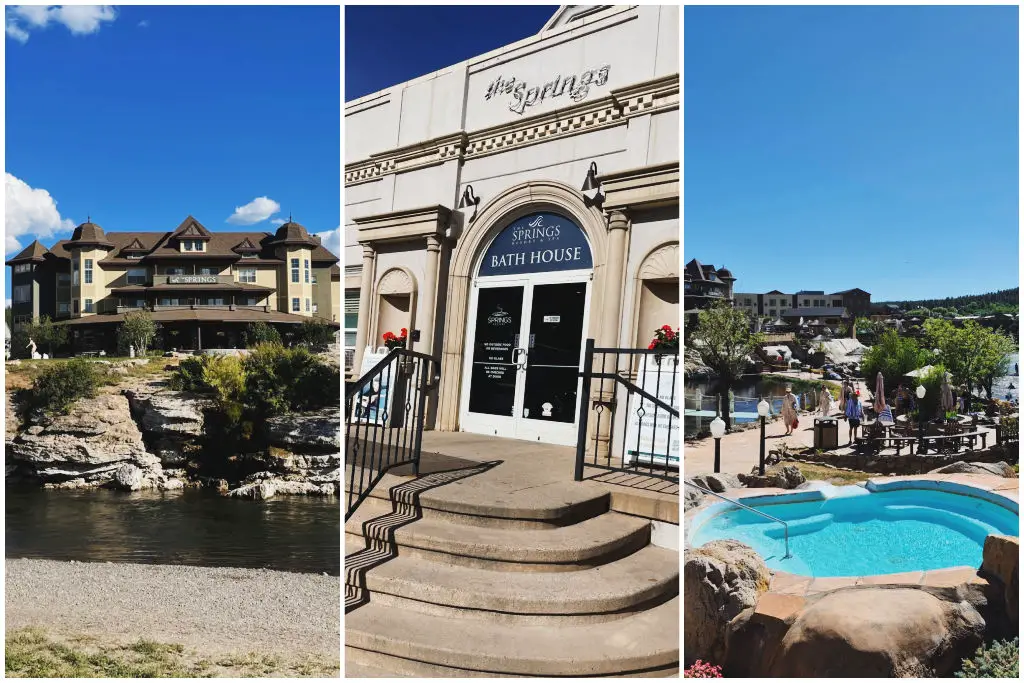
The main facility, The Springs Resort & Spa, runs 25+ pools cascading down to the edge of the San Juan River. On a cool morning, steam rises off the water and drifts across the river in a way that feels almost theatrical. It would look fake if you weren’t sitting there.
🌡️ Our Time in the Springs
We visited the springs more times than we can count during our months in Pagosa, so we got an honest read on all of it. We started at Nathan’s Hippy Dip Hot Spring, free and right on the river, because free is free. Reality check, though: it’s small, basic, and packed with people in peak season. Worth trying once for the story, not worth building a trip around. Our real take: stay at The Springs Resort and soak whenever you feel like it, or grab a session at the Overlook Hot Springs rooftop. Either one beats the free dip by a mile, and your back will thank you.
For visitors, here are three solid options to enjoy the hot springs.
- The Springs Resort: the premium experience, and it is worth splurging on at least for one day.
- Overlook Hot Springs: a cozy Victorian-style soak right in the heart of Pagosa Springs city center, where you can ease into all-natural mineral tubs on the rooftop overlooking the San Juan River and mountains that’ll melt the prairie dust right off you!
- Nathan’s Hippy Dip Hot Spring (free): sits just across the river from the The Springs Resort with a more relaxed, local vibe and a lower entry price.
Either way, this is something you simply cannot do in Aspen, Telluride, or anywhere else in Colorado. It belongs entirely to Pagosa.
🌡️ Ready to Book the Springs?
The Springs Resort & Spa — 25+ pools on the San Juan River
Where We Stayed: A Crazy Affordable Resort (Yes, Really)
If there’s one detail in this post that makes people stop scrolling and actually read, it’s this one. We stayed at Club Wyndham Pagosa, a full resort property and not a highway motel, for weeknight rates starting in the low $90s. By extending our stay, we pushed that nightly rate as low as $60. In a Colorado mountain town. At a resort.
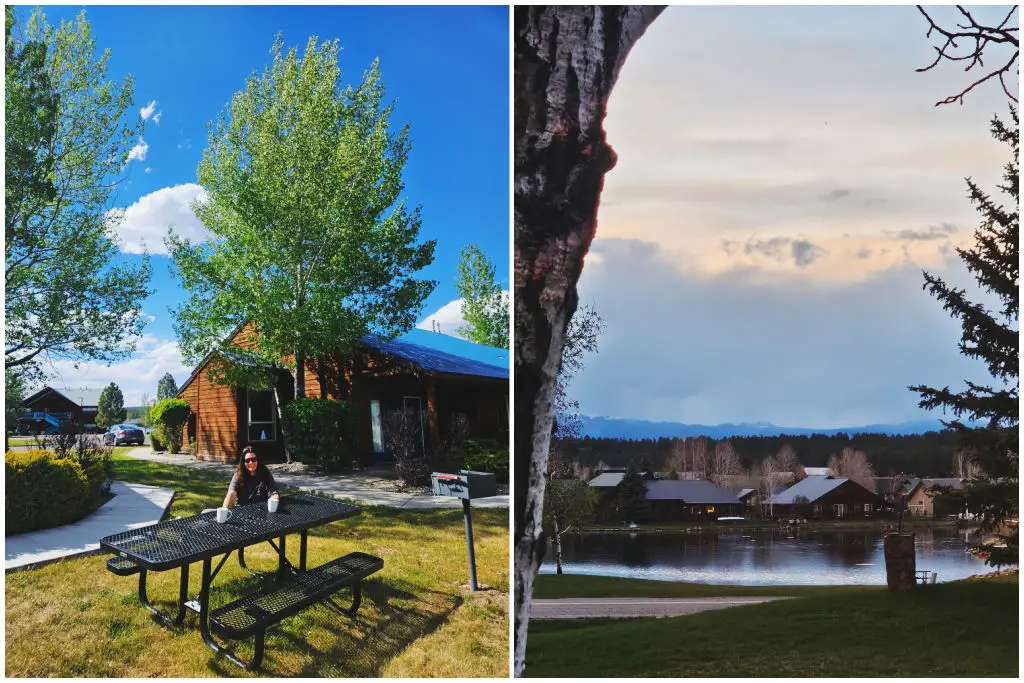
Let that sit for a second. A comparable property in Aspen on a Tuesday in October goes for $400 minimum. Here, we had a real room, real amenities, and a real mountain setting for a price that felt slightly illegal. And Club Wyndham isn’t the only smart option in town, so here’s how the main choices stack up.
🏨 Club Wyndham Pagosa
Best For: Budget-Conscious Travelers · Extended Stays · Families
The longer you book, the lower your nightly rate drops, which makes this especially good for slow travelers or anyone with a flexible schedule. We locked in rates as low as $60 a night by extending our stay, and at a proper resort property in a Colorado mountain town, that’s borderline absurd in the best possible way.
📍 What the Rooms Were Actually Like
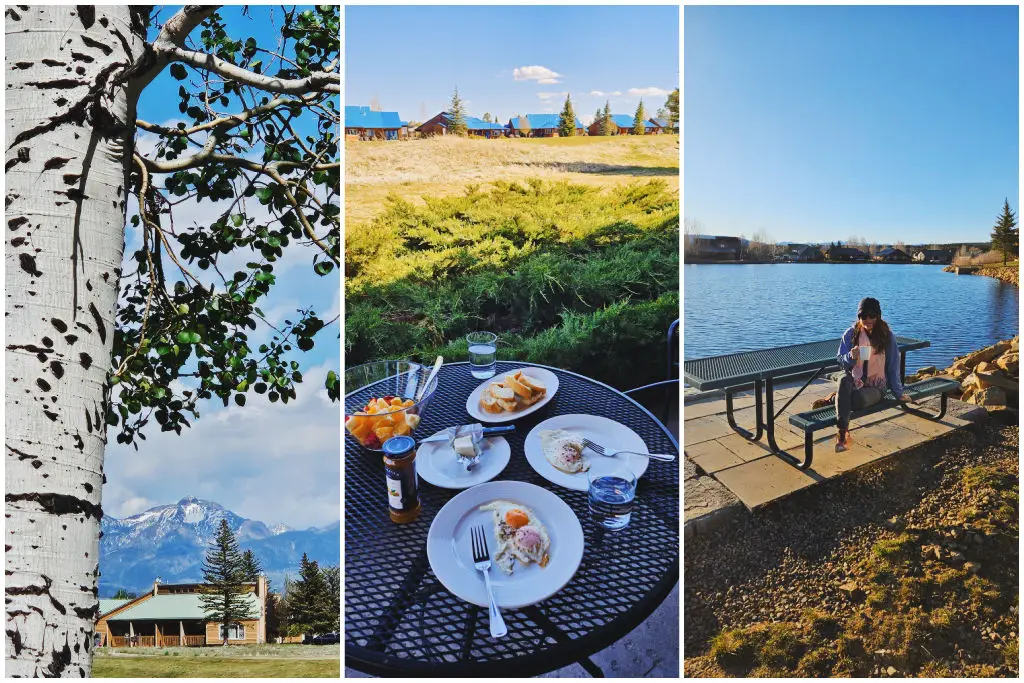
We had a large one-bedroom suite with a full kitchen, in-unit laundry, and lake and mountain views that made waking up feel mildly unfair to everyone back home. A mule deer wandered up to our window like it had a reservation, and we watched a fox sprint across the golf course like it was late for something.
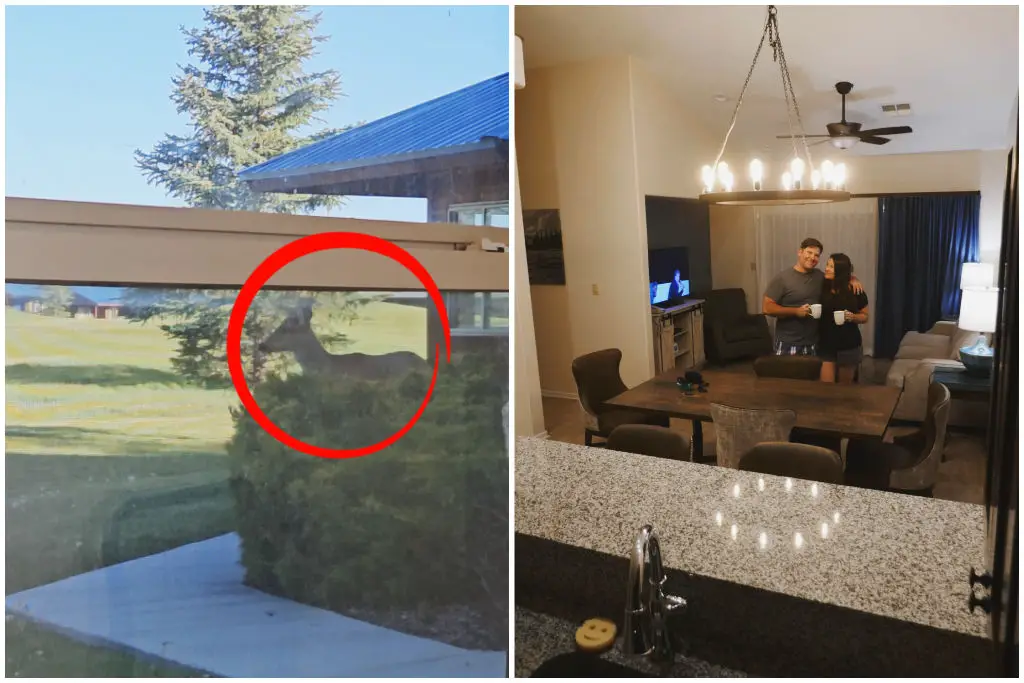
The resort also comes with access to the Pagosa Lakes Recreation Center: full gym, indoor pool, hot tubs, and unlimited mini golf, so the hiking and hot springs weren’t even the only activities on offer. It sits right along the Pagosa Springs Golf Club, too, which is basically paradise if you plan vacations around tee times. Finally, on weekends, the front desk runs a happy hour with free beer, wine, and snacks, which is the kind of detail that makes a resort feel like it’s actually trying.
🏨♨️ The Springs Resort & Spa
Best For: The Full Hot Springs Experience · Couples · Special Occasions
If you want to be right on the hot springs, literally steps from the pools, The Springs Resort is the move. It’s the most well-known property in Pagosa Springs and for good reason: guests get direct, unlimited access to all 25+ geothermal pools on the San Juan River. It’s the premium option in town, priced accordingly, but if you’re splurging on one night, this is the one to splurge on. The room-to-river views alone are worth it.
🛖 Motel SOCO
Best For: Style on a Budget · Solo Travelers · Short Stays
Don’t let the word “motel” fool you. Motel SOCO is one of those places that’s figured out how to be genuinely cool without charging you for the privilege. It has the design-forward aesthetic you’d expect from a boutique hotel at a fraction of the boutique hotel price, and it comes with El Camino Lounge & Grill right on site, which alone is reason enough to walk through the door. If you’re coming solo or as a couple and don’t need a full resort setup, this can be a fun pick.
Pagosa vs. Aspen vs. Telluride: The Numbers That Will Annoy You
We’re going to do something most Colorado travel guides carefully avoid: compare actual costs. Because once you see them side by side, it’s very hard to justify why anyone with a real budget ever books the famous towns first.
| Category | Aspen | Telluride | Pagosa Springs ✓ |
|---|---|---|---|
| Lodging (per night) | $400–$800+ | $300–$600+ | $90–$400+ |
| Hot springs access | None | None | World-class, on-site |
| Hiking | Good | Excellent | Excellent (free) |
| Winter skiing nearby | Aspen Mtn | Telluride Ski | Wolf Creek (nearby) |
| Celebrity sightings | Guaranteed | Likely | Zero (a feature) |
| Grocery store vibes | Luxury market | Fancy AF | Actual grocery store |
| 4-night trip total (est.) | $2,000–$4,000+ | $1,500–$3,000+ | ~$630–$820 |
What to Do in Pagosa Springs (Besides Soak Until You’re Pruny)
Here’s the thing about Pagosa Springs that catches a lot of people off guard: they come for the hot springs and discover they could happily stay for a week just because of everything else. The San Juan Mountains aren’t a backdrop here; they’re the main event.
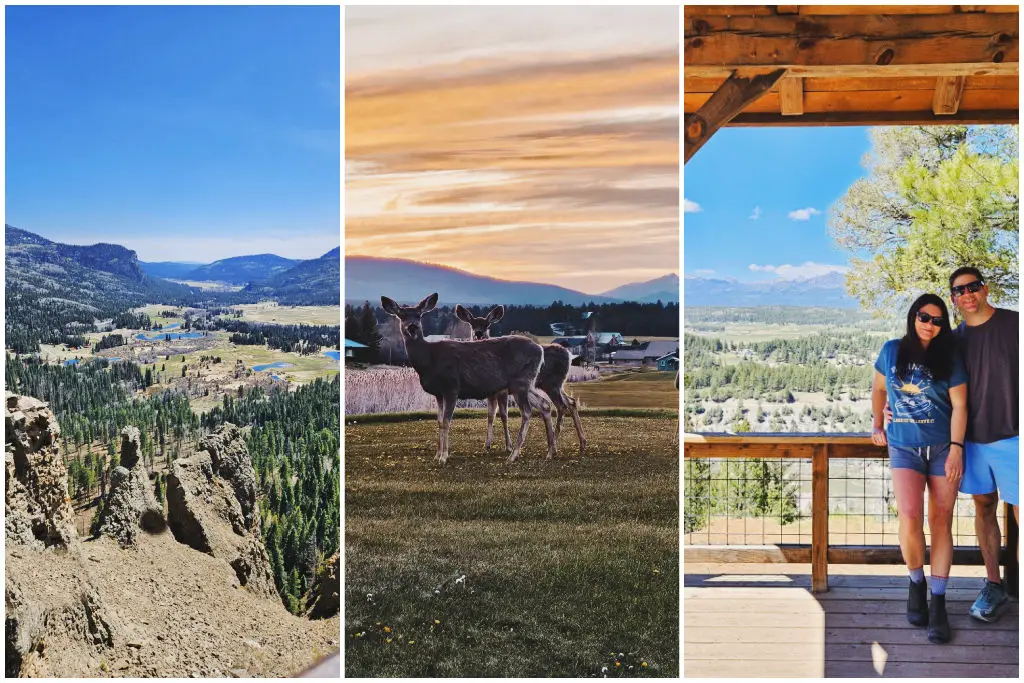
🥾 Hiking the San Juans
The trails around Pagosa Springs offer some of the best mountain hiking in Colorado, with almost none of the crowds you’d find near Breckenridge or Rocky Mountain National Park. You’re in the San Juan National Forest, which means millions of acres of public land, free access, and the kind of elbow room that feels genuinely rare in 2026.
🥾 Trails We Hiked
Pagosa really does have something for every energy level. If you just want an easy walk, the San Juan Riverwalk runs right through the city center and can stretch into a multi-mile out-and-back along the water. Reservoir Hill Park, which also has an epic frisbee golf course, is another easy local favorite, and honestly, just walking the paved paths around Club Wyndham past the various lakes is a nice, low-key way to spend an evening.
If you’re after something more serious, Piedra River Trail is a solid pick at 7.6 miles with canyon walls, rock formations, and river views the whole way. Fourmile Falls is another standout if you want waterfalls as your reward for the climb.
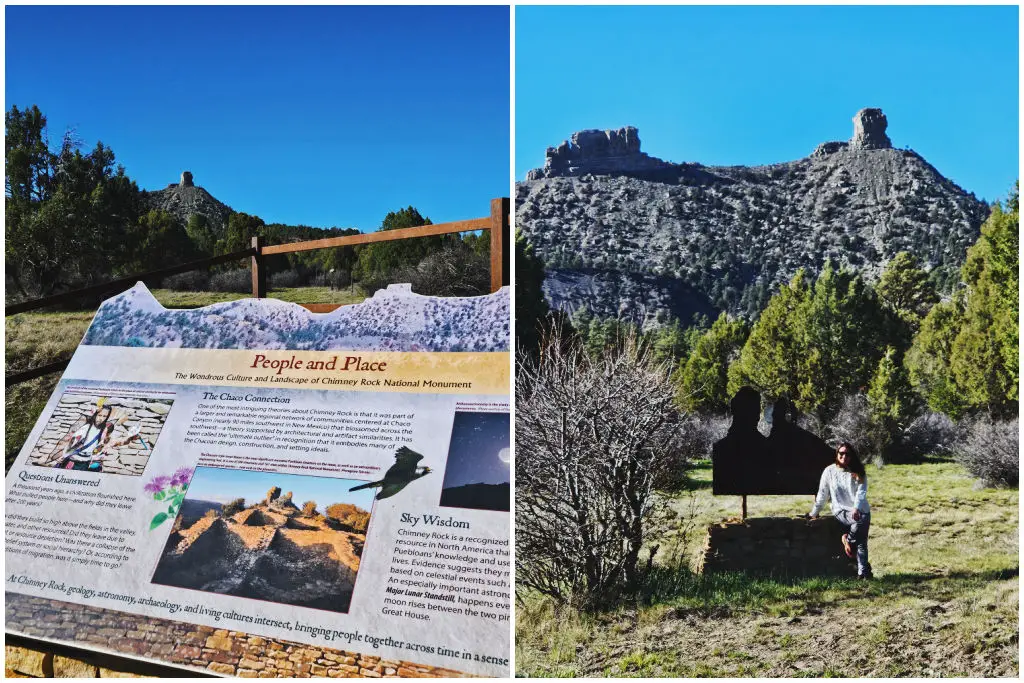
Pagosa has 56 trails on AllTrails, ranging from easy strolls to genuine all-day hikes, so rather than us trying to cover them all, AllTrails has the full ranked list here with maps, difficulty, and reviews for everything in the area.
Finally, don’t forget about visiting Chimney Rock National Monument; it’s only a 20-minute drive from Pagosa Springs!
⛷️ Wolf Creek Ski Area — The Snowiest Mountain in Colorado Is 23 Miles Away
Wolf Creek Ski Area is 23 miles east of Pagosa Springs on US-160, close enough that you can ski in the morning and be soaking in a hot spring by 2 p.m., which is frankly an unreasonable amount of good in a single day.
Wolf Creek averages over 430 inches of snowfall per year, consistently making it the snowiest ski area in Colorado, a title it earns without argument. The terrain is genuine, the lift tickets run significantly cheaper than Vail or Aspen, and the vibe is old-school mountain skiing without the resort theater.
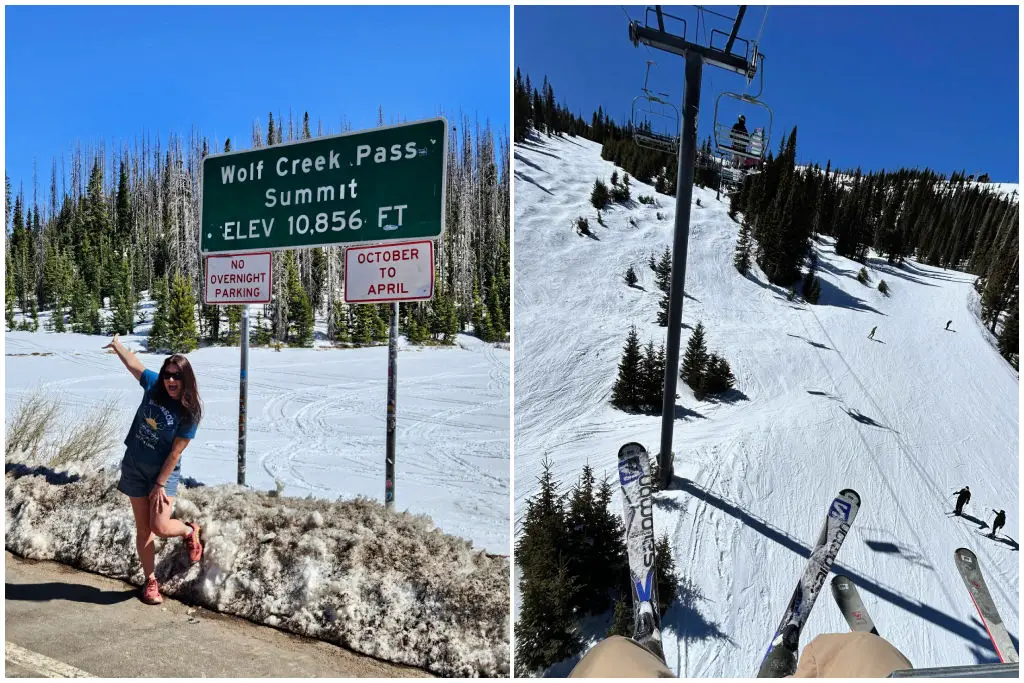
But 2026 made Wolf Creek’s reputation undeniable in a new way: it was the last ski area in Colorado to close that season, staying open later than every other hill in the state. When the famous resorts had already packed up and gone home, Wolf Creek was still running. That’s not luck, that’s what 430 inches of annual snowfall actually means in practice.
For budget travelers, the math is almost unfair: stay at Club Wyndham Pagosa for as little as $100 a night, drive 23 miles to the snowiest mountain in Colorado, ski for less than you’d pay anywhere on the Front Range, and come back to hot springs in the afternoon. Nobody does this combination. You should.
⛷️ Plan Your Wolf Creek Day Trip
Colorado’s snowiest ski area · 23 miles from Pagosa Springs · last to close in Colorado in 2026
🌊 The San Juan River
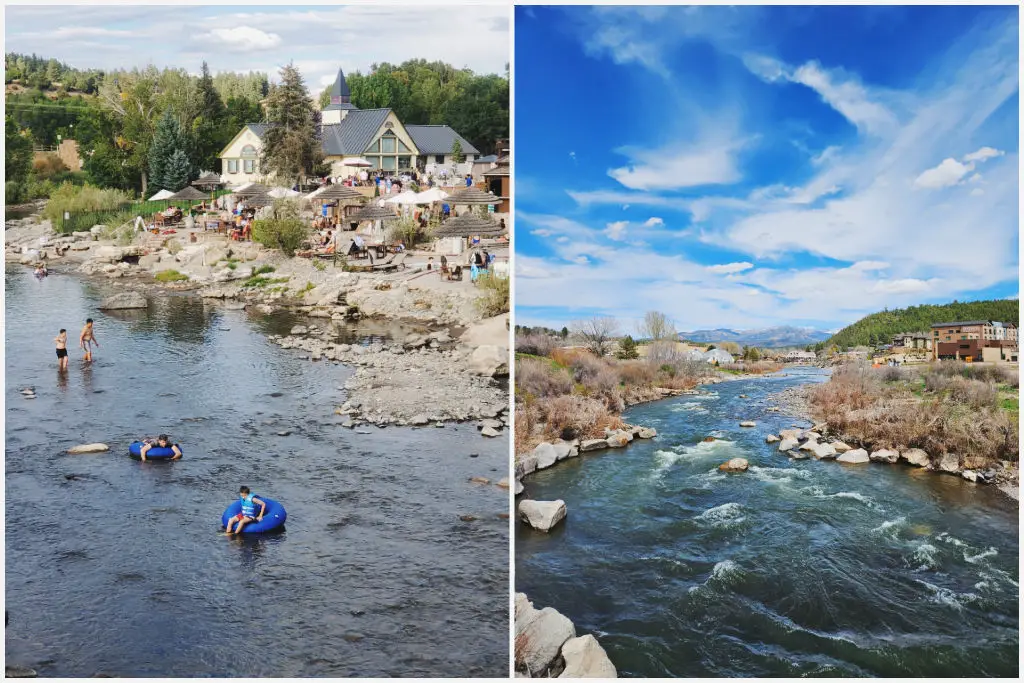
The San Juan River runs right through the middle of town, alongside the hot springs, and into the surrounding wilderness. In warmer months, the fishing is excellent, as this is serious trout water, and outfitters in town offer rafting and kayaking. In any season, the river walk is worth an evening stroll, especially when the springs are steaming across the water at dusk.
🍽️ Where to Eat in Pagosa Springs: What the Locals Already Know
One of the quiet pleasures of Pagosa Springs is eating at a restaurant and not wincing when the bill comes. This is not a town that has figured out how to charge $28 for a burger just because there are mountains nearby. Local spots are genuinely local, owned by people who live there and priced for people who actually live there.
Here are the three worth putting on your list.
🌮 El Camino Lounge & Grill · at Motel SOCO · $
The kind of bar and grill that a town this size shouldn’t have, but does. El Camino sits inside Motel SOCO and manages to be simultaneously the coolest spot in town and completely unpretentious about it. The menu leans Southwest, think green chile, solid tacos, good cocktails, in a room that has actual design intention without making you feel like you wandered into a lifestyle brand. Go for dinner, stay for the vibe.
🌙 Coyote Moon Lounge · $$
A Pagosa Springs staple that locals actually go to, which, when you’re in a mountain town, is the highest possible recommendation. Coyote Moon has the comfortable, lived-in feeling of a place that’s been feeding the community for years: good drinks, straightforward food, and a room full of people who look like they belong there. If you want to feel less like a tourist and more like someone who made a smart choice, this is your spot.
🌊 Meander Riverside Eatery · $$$
The name tells you everything you need to know about the pace here. Meander sits along the San Juan River and earns its reputation as the go-to for locals who want a proper meal without ceremony. The setting alone, riverside, relaxed, the kind of view that makes you put your phone down, justifies the stop. The food follows through. It’s the sort of place that ends up being your last dinner of the trip because you want to celebrate your amazing visit.
💰 Budget-savvy tip: If you’re staying at Club Wyndham and have a kitchen, grab groceries for breakfasts and lunches, then save your dining-out budget for one real dinner at each of these. That’s the move that keeps the overall trip cost exactly where it should be.
When to Go: The Honest Truth About Each Season
Pagosa Springs is a year-round destination, rarer than it sounds for a Colorado mountain town. The hot springs work in any weather and are arguably better when it’s cold outside. Wolf Creek’s snowfall makes winter genuinely compelling.
Here’s how the seasons actually break down:
| Season | Vibe | Crowds | Rates |
|---|---|---|---|
| Summer (June–Aug) | Hiking, wildflowers, river, ideal temps at elevation | Moderate | Peak pricing |
| Fall (Sept–Oct) | Aspen gold, cool air, hot springs in crisp weather, our top pick | Low–Moderate | Best value ✓ |
| Winter (Nov–Mar) | Snow, Wolf Creek skiing (Colorado’s snowiest — last to close in 2026), hot springs at their most magical | Low–Moderate | Great rates ✓ |
| Spring (Apr–May) | Mud season, waterfalls are epic, some trails rough early on | Very Low | Cheapest ✓ |
If we had to pick one window: late spring.
- The waterfalls are running full force off snowmelt, doing their best impression of Colorado showing off.
- The winter crowds have cleared out, summer hasn’t shown up yet, and for a few weeks, the whole place is basically yours.
- The hot springs hit different with that crisp mountain air still hanging around, and lodging rates stay low right up until summer remembers this place exists.
Spring in the San Juans is Colorado’s best-kept seasonal secret, almost as hidden as the town itself.
About the Altitude — Don’t Skip This Section
Too many travel guides either skip the altitude entirely or treat it like a footnote. At 7,500 feet, Pagosa Springs is significantly higher than Denver, and if you’re coming from sea level or driving up from the flatlands, your body is going to notice. Not necessarily in a bad way, but in a “things are different up here and I should respect that” way.
The first night:
- Drink way more water than feels necessary.
- Lay off the alcohol until day two, as it hits about twice (or more) as hard at elevation and will absolutely ruin your morning.
- Consider proactively adding support by bringing a supplement like Altitude Advantage, which helps to combat mild altitude sickness.
- Don’t plan a strenuous hike for day one.
- Sleep may be more challenging.
- A mild headache is common and usually clears by morning with hydration and rest.
By day two, most people feel completely fine and wonder what the fuss was about. Honestly, we think the elevation is doing the town a favor. It’s a built-in bouncer, quietly weeding out anyone who isn’t willing to suffer a little for a good view. Embrace it. The thin air is basically Pagosa’s velvet rope, and you’re already on the list.
The altitude is also, incidentally, one of the reasons the place feels so good.
The air is different. Cleaner, thinner, electric in a way that’s hard to describe until you’ve stood at 7,500 feet in the San Juans with nothing but mountains in every direction and realized you’re breathing something that most of the country never gets to breathe. It’s part of the whole experience, so just let your body catch up before you test it.
The Real Numbers: What a Pagosa Springs Trip Actually Costs
We’re going to put actual numbers here because vague travel budgets are useless. Here’s an honest 4-night breakdown for two people. This is not the “sleep in your car and eat granola bars” budget, it’s the “real trip with real meals and real hot springs” budget.
| Expense | How To Do It | Est. Cost |
|---|---|---|
| Lodging (4 weeknights, Club Wyndham) | Weeknights, extended stay | $360–$440 |
| Hot springs (2 visits for two) | Overlook Hot Springs | $120 |
| Food (mix of cooking + eating out) | Groceries + 2–3 dinners out | $150–$220 |
| Activities (hiking, sightseeing) | Mostly free | $0–$40 |
| Gas (round trip from Denver) | ~460 miles total | $60–$80 |
| TOTAL (4 nights, 2 people) | ~$630–$820 |
For context: that’s the total cost of a four-night trip for two, including hot springs, real meals, resort lodging, and gas, for roughly what you’d spend on a single night of lodging in Aspen during peak season.
📅 What a Single Day Actually Costs
If you prefer to think in daily spend rather than trip totals, here’s what an honest day looks like for two people in Pagosa Springs:
| Time of Day | Activity | Cost (2 people) |
|---|---|---|
| Morning | Coffee + breakfast (café or in-room) | $0–$20 |
| Late Morning | Hiking in the San Juans | $0 |
| Afternoon | Hot springs soak | $30–$60 |
| Evening | Dinner at a local restaurant | $30–$60 |
| Lodging | Club Wyndham (weeknight) | $90–$110 |
| Daily Total | ~$150–$250 for two |
A full resort-quality Colorado mountain day — hot springs included — for what you’d spend on a single Aspen room without the room service.
🏔️ Is Pagosa Springs Actually Worth It? The Honest Version
- The hot springs are the real deal: world record, not marketing hype. Worth going for this alone.
- The value compared to other Colorado mountain towns is genuinely striking: not slightly cheaper, significantly cheaper.
- The crowd situation is still manageable: this is a real town, not a tourist corridor. Go before it isn’t.
- The drive is part of the experience: Wolf Creek Pass alone is worth it.
- The elevation makes everything feel more intentional: you slow down whether you planned to or not.
FAQ — Real Questions About Pagosa Springs, Answered Without the Brochure Voice
Is Pagosa Springs actually cheaper than other Colorado mountain towns?
Significantly. Lodging, food, and activities all run noticeably cheaper than in Aspen, Telluride, Vail, or Breckenridge. You can stay at a resort property for $90–$110/night, rates that genuinely don’t exist in most Colorado mountain destinations at any quality level.
How far is Pagosa Springs from Denver International Airport?
About 300 miles, or roughly 5 hours via US-160 West. The drive takes you over Wolf Creek Pass at 10,800+ feet, one of Colorado’s most dramatic mountain routes and one of its snowiest. Budget time for the view stops.
What is the elevation of Pagosa Springs?
Pagosa Springs sits at approximately 7,500 feet above sea level, nearly 2,300 feet higher than Denver. Give yourself the first day to acclimate if you’re coming from a low elevation. The second day will feel completely different.
Are the Pagosa hot springs really the world’s deepest?
Yes. The Pagosa Hot Springs hold the Guinness World Record as the deepest geothermal hot spring on Earth. The Great Pagosa Aquifer descends over 1,000 feet below the surface. It’s not a tourism tagline. It’s an actual geological record.
What’s the best time to visit Pagosa Springs on a budget?
Late September through October hits the sweet spot: lower prices, spectacular fall foliage, fewer crowds, and hot springs that feel genuinely magical in crisp air. Spring (April–May), when we visited, offers the absolute cheapest rates if you don’t mind mud season and unpredictable weather.
Is Club Wyndham Pagosa open to non-timeshare guests?
Yes. You don’t need to own a timeshare or attend any kind of ownership presentation to stay there.
Furthermore, you can book through Vrbo for longer stays, which tends to offer better rates the more nights you add, and Wyndham units also show up on Expedia if you’re looking at something shorter. Either way, check-in felt exactly like staying at any other Wyndham property. Nobody pulled us aside, nobody pitched us anything, and nobody asked us to sit through a 90-minute “tour” in exchange for a free breakfast. We just checked in, got our keys, and went straight to unpacking groceries.
Is Pagosa Springs good for families?
Absolutely, and more thoughtfully set up for families than you might expect. The Springs Resort includes up to three kids in the standard room rate, has a Blue Lagoon mineral pool with a shallow area built for smaller humans, and allows pool toys there if your kids are the type who can’t be within ten feet of water without one. Just know that the quieter soaking pools are adults-do-actual-relaxing zones, and the Relaxation Terrace is 18+ only, so plan accordingly.
For food, Rosie’s Pizzeria and Two Chicks & A Hippie are the two easiest calls with kids in tow. Pizza and massive breakfasts, neither of which requires anyone to sit still for very long.
Is Pagosa Springs worth it compared to Durango?
Durango, about an hour west, is a great town, but it’s more developed, more popular, and slightly pricier. Pagosa Springs is quieter, more affordable, and has one thing Durango doesn’t: the hot springs. If you’re choosing between budget and unique experiences, Pagosa wins. Many visitors do both as a combo since they’re so close.
Do I need a 4WD or AWD vehicle?
One thing nobody tells you before you show up: most of the best trailheads are at the end of long, bumpy dirt roads. We learned this the hard way in our little coupe, getting thrown around like groceries in a shopping cart before finally admitting defeat and turning back, on some of them. In spring, summer, and fall you don’t necessarily need 4WD to reach most trails, but you’ll want an SUV at minimum if you want to arrive with your fillings intact.
Is there good cell service and WiFi in Pagosa Springs?
Cell service in town is generally solid for major carriers. Club Wyndham and most lodging properties have WiFi. Once you head out on trails into the San Juans, service drops off, which, honestly, is part of the appeal. Download your maps offline before hiking.
Can I do Pagosa Springs as a day trip from Durango or Santa Fe?
Technically, yes, it’s about an hour from Durango and roughly three hours from Santa Fe, but you’d be shortchanging yourself. The whole point of Pagosa is the slow pace: morning hike, afternoon soak, evening dinner, repeat. One night minimum; two or three nights is the sweet spot to really decompress.
🏔️ Pagosa Is Still a Secret — For Now
The window on truly undiscovered Colorado mountain towns is shorter than you think. Pagosa Springs is still affordable, still uncrowded, and still the kind of place where you can show up without a reservation and find a table. That won’t last forever. Go now while the secret holds.
Some links may be affiliate links. We only recommend places we’d genuinely book ourselves. — The Budget Savvy Travelers
We Need Your Help
Did you find this article helpful? Bookmark it and use the links below when planning your next trip. You’ll get the best prices, we may earn a small commission, and it helps keep this site running.