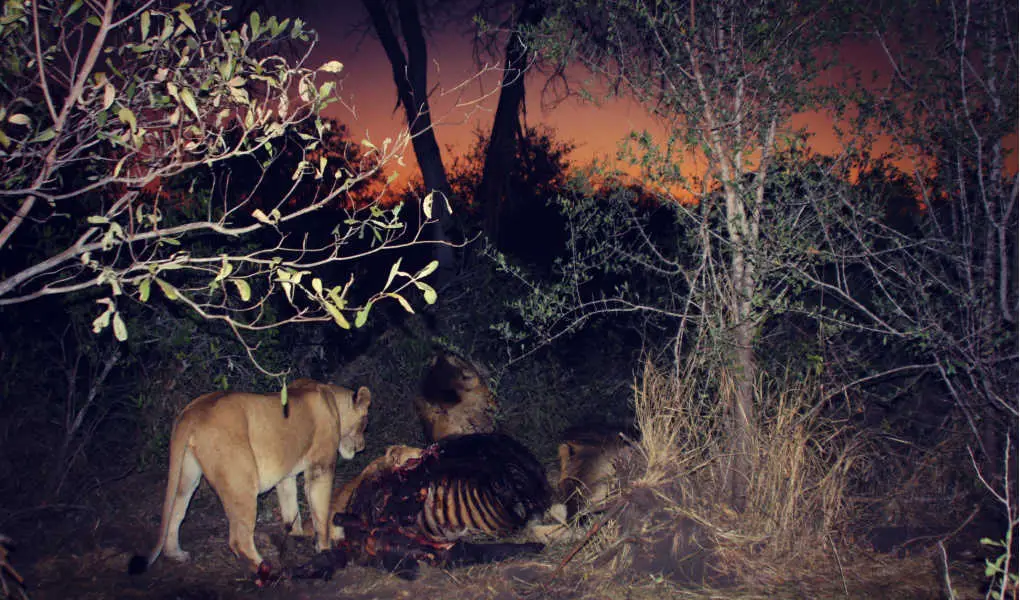
Africa comes to life between sunset and sunrise. Everything else is just the warm-up. Most first-safari guides forget that part, too busy listing lodge amenities and thread counts. This one doesn’t.
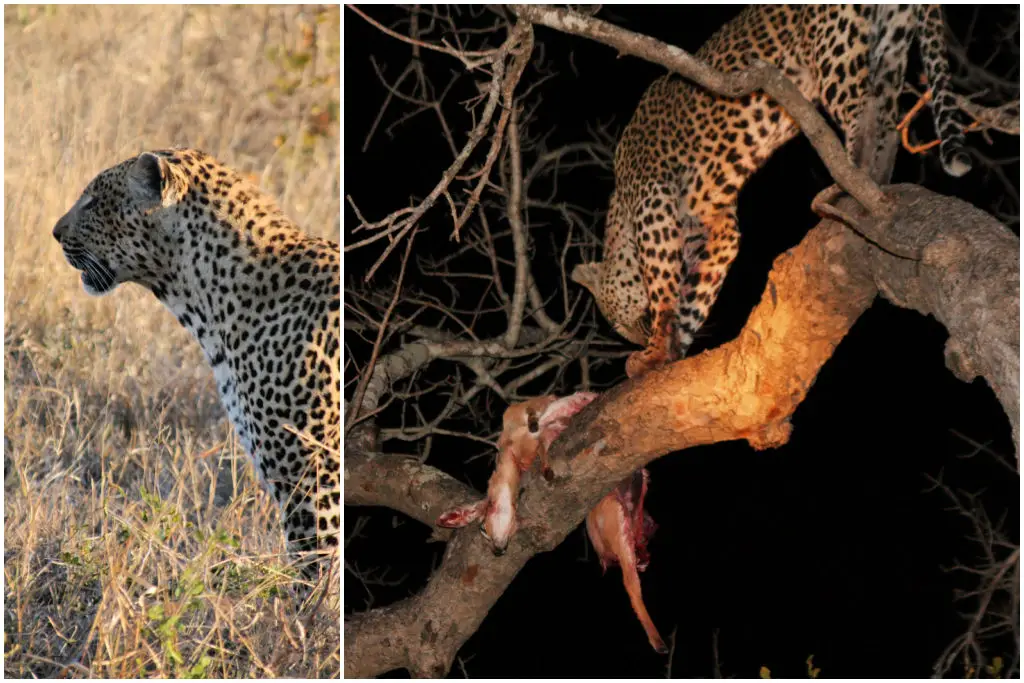
We paid real rates, saw real wildlife, and came back with real opinions, including one about a leopard dragging a kill up a tree directly above our vehicle. We drove under it, blood on the hood and everything. Here’s what actually works for first-timers.
✈️ Our Africa Experience — Why You Can Trust This
We’ve done multiple safaris across Southern and East Africa, all with Go2Africa: South Africa, Tanzania, Zambia, Zimbabwe, the works. None of it is cheap. We’re not going to pretend otherwise.
But there’s a difference between spending smart and just spending, and most first-timer guides skip that part entirely. This one doesn’t.
— The Budget Savvy Travelers
💡 Budget-Savvy Tip: The single biggest lever most first-timers miss: keep the bush portion to 2–3 nights in a high-quality best-value private reserve, then fill the rest of your trip with more affordable highlights. Everything below is built around making that work.
In This Guide
- Why National Parks Often Disappoint First-Timers
- How Many Nights Do You Actually Need on Safari?
- When to Go: Seasons, Prices & the Sweet Spot
- Our Go-To Lodge: Arathusa Safari Lodge, Sabi Sands
- Other Strong Private Reserves Worth Knowing
- How to Book Without the Headache
- FAQ — First Safari Questions, Answered Honestly
Why National Parks Often Disappoint First-Timers
Most people picture Kruger or the Serengeti and think, “That’s the one.” Here’s the reality check few guides mention upfront:
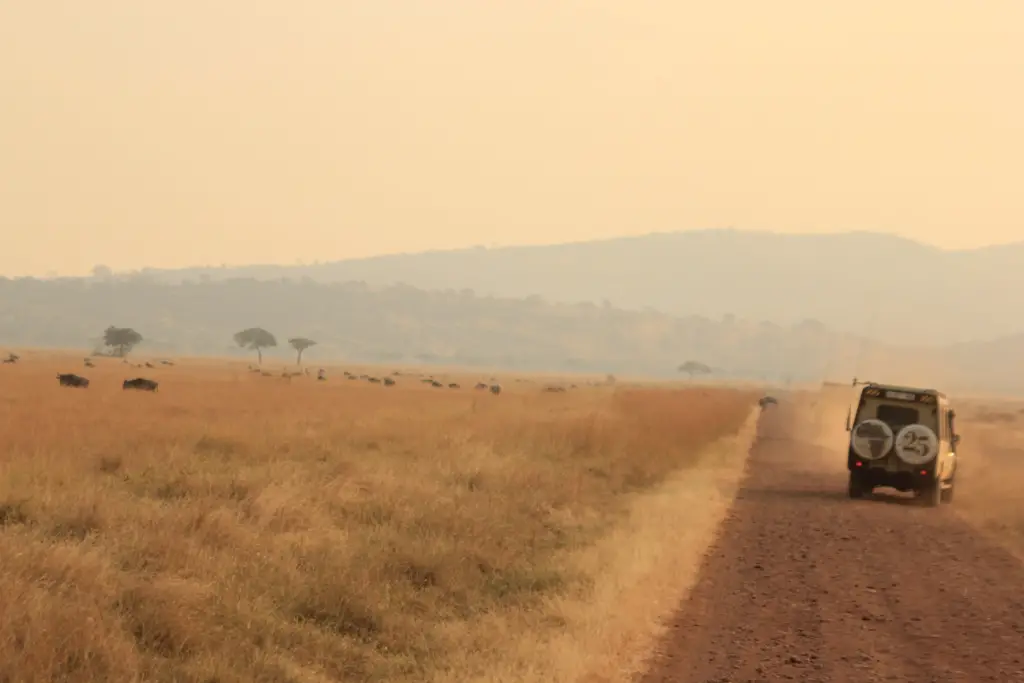
→ In national parks, safari vehicles must stay on designated public roads. Animals are masters of camouflage, sightings are often distant, and that exciting “chasing fresh tracks” feeling is basically off the table. It can feel more like a scenic drive through Disney’s Animal Kingdom than the heart-pounding adventure you imagined.
🎯 Private Reserves Are a Completely Different Experience
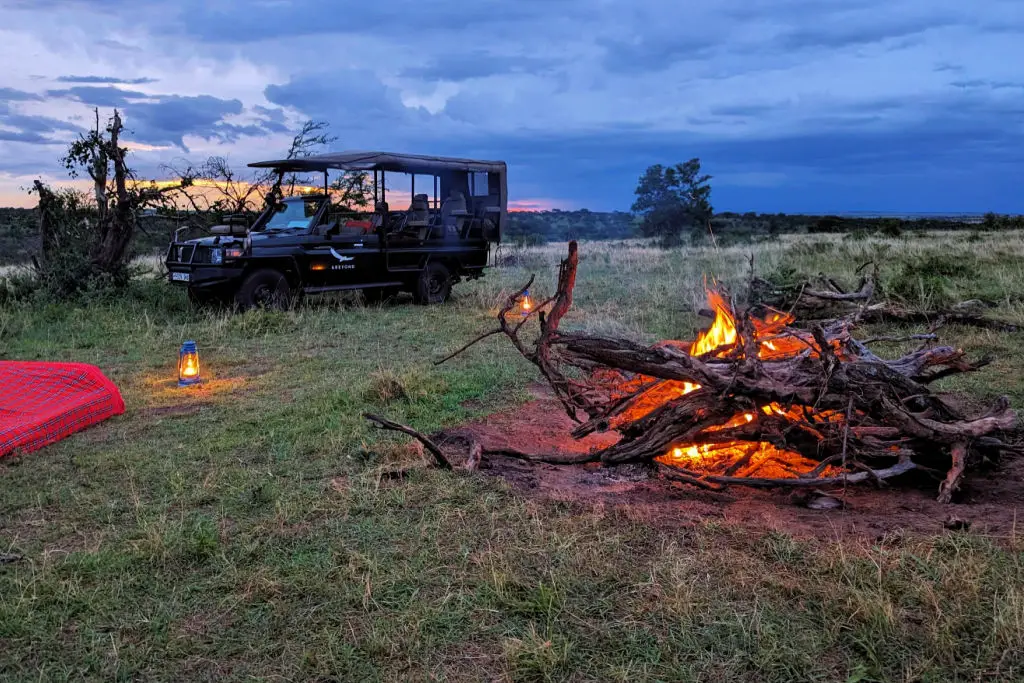
You get expert guides and trackers, off-road driving through the actual bush, sunset/night game drives, and those close encounters that make for genuinely unbelievable stories. Rangers communicate by radio, drive off-road directly to sightings, and take you out after dark when predators actually hunt.
We’ve done both. There is no comparison. For first-timers especially, it’s the difference between Animal Kingdom and the actual wild, night and day.
How Many Nights Do You Actually Need on Safari?
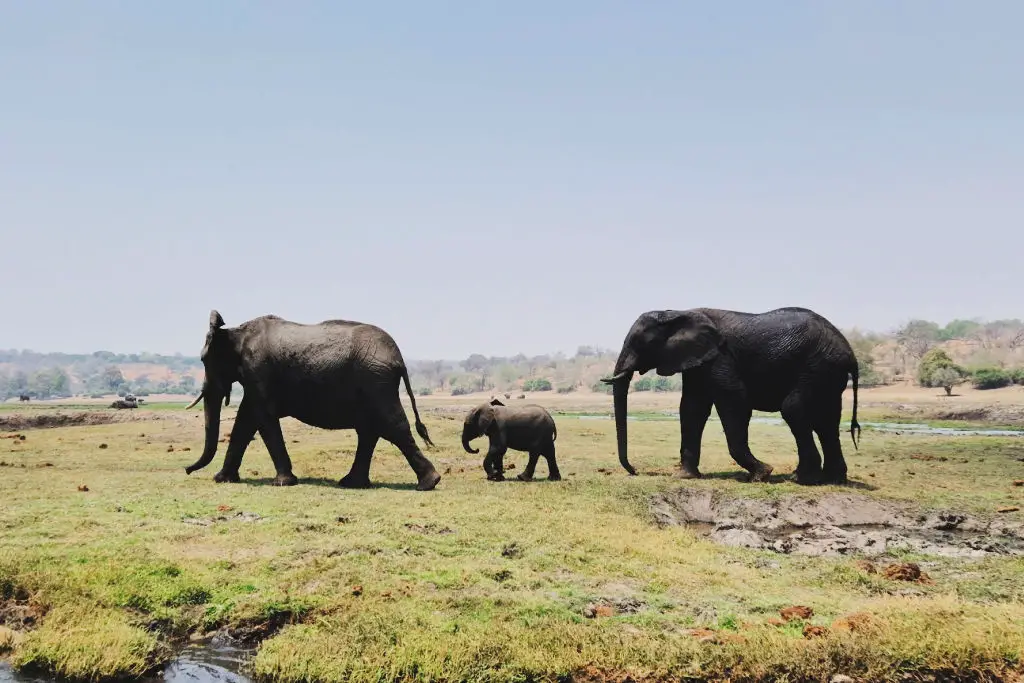
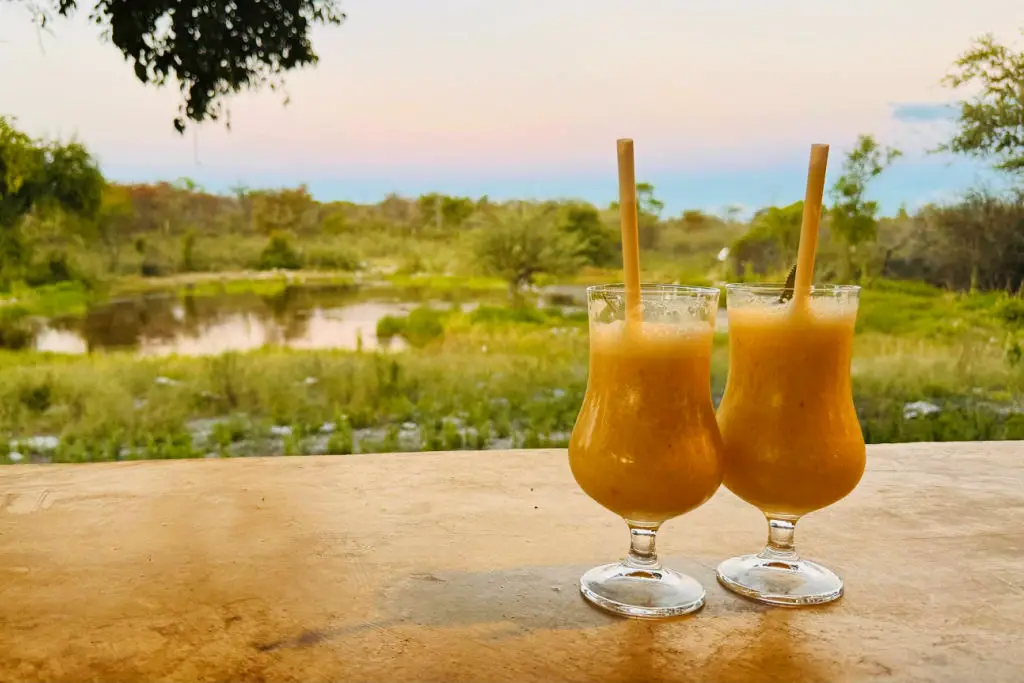
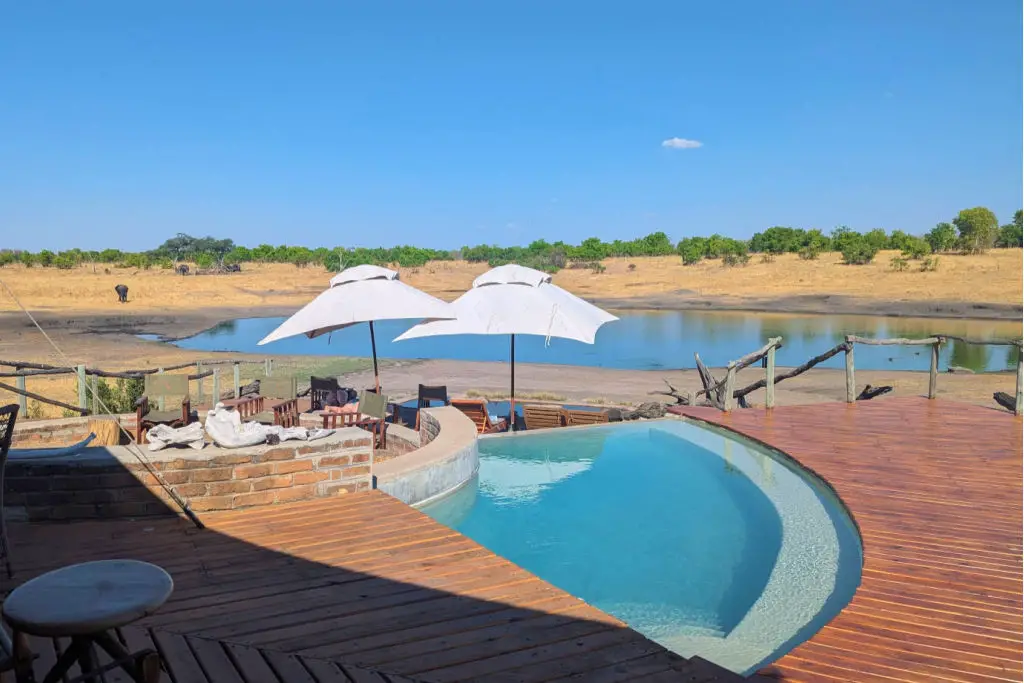
Two to three nights in a quality private reserve get you multiple morning drives, night drives, a bush walk, and enough time to sit at the waterhole with a drink, watching elephants argue about who gets to drink first.
That’s the trip. You don’t need seven nights, you need the right two or three. After that, most people are ready for a hot shower, a real bed, and something that isn’t impala for dinner anyway.
Spend the rest somewhere more affordable: South African wine country, which is absolutely jaw-dropping, Cape Town, Zanzibar, or Victoria Falls, whatever vibe you’re feeling. The contrast makes both halves better.
⚠️ The Biggest Value Mistake First-Timers Make — Don’t Do This!
Trying to save money by doing a self-guided drive in a national park instead of staying at a guided private reserve lodge.
On paper, it sounds clever. In practice, you’re sitting on a road watching a distant brown shape that might be a lion, might be a rock, definitely isn’t close enough to tell. No off-roading, no night drives, no ranger who can radio ahead because a leopard was spotted three minutes ago.
We’ve done both. One of them is a safari. The other is a very scenic drive.
🔎 Find the Perfect Safari for Your Budget → Get a Free Quote
When to Go: Seasons, Prices & the Sweet Spot
One more budget lever worth knowing before you book:
Peak Season
July – October
Best game viewing. Animals concentrate at water. Top prices — book 6–12 months ahead.
Shoulder Season ⭐
Apr–Jun & Nov
Rates 20–30% lower. Strong sightings. Fewer crowds. The smart first-timer’s window.
Green Season
Nov – March
Up to 40% cheaper. Lush scenery, baby animals, excellent birding. Some camps close.
🧑🔬 The Value Safari Formula Nobody Puts in Writing
Best value isn’t about the plunge pool or the guy who irons your safari shirt. It’s about what happens when you leave camp.
Wildlife density, guide quality, and whether your ranger can actually leave the road and follow the action. Everything else is just a nice place to sleep between drives. A $500 room with a ranger who knows every leopard by name beats a $2,500 suite where the highlight is the turndown service.
Our Go-To Lodge: Arathusa Safari Lodge in Sabi Sands
Other Strong Private Reserves Worth Knowing
Four more options spanning Southern and East Africa, each delivers the full guided experience at realistic prices, each with a genuinely different wildlife story:
Quick Comparison: All Picks at a Glance
💡 How to Read These Rates
All rates are per person sharing and generally include accommodation, meals, and two game drives per day. Solo travelers typically pay a single supplement of 30–50%. Rates vary by season; always verify directly with the lodge or operator before booking.
How to Book Without the Headache
Go2Africa is a solid starting point if you want expert help building the right mix; it’s who we use! They specialize in exactly this kind of trip: a focused 2–3 night private reserve stay combined with Victoria Falls, Cape Town, or anywhere else in southern or eastern Africa. More importantly, they’re your boots on the ground when things go sideways.
When we arrived at our first Serengeti lodge, there was a controlled burn nearby. Go2Africa moved us to a larger tent at a higher-rated camp; same price, no argument. That only happens when your operator has real relationships with the properties.
A DIY booking gets you a customer service email. Go2Africa gets you a solution.
🎯 Operator vs. DIY: The Simple Rule
More than two parks or one country? Use an operator. The coordination complexity of cross-border transfers, internal flights, domestic flights, and lodge sequencing is genuinely hard to optimize solo, and it doesn’t save you any money to DIY. One destination with a simple itinerary? Go direct if you prefer, but the cost is often equal to booking through an operator anyway.
🌍 Build Your First Safari with Go2Africa →
FAQ — First Safari Questions, Answered Honestly
Q: Is a private game reserve worth the extra cost over a national park?
Yes, especially for first-timers. The off-road access, night drives, and dedicated guiding typically deliver a far more exciting and memorable experience than a self-drive through a national park. The animals don’t change; your access to them does.
Q: How much does a good first safari actually cost?
Budget $650–900+ per person per night, all-inclusive at value private reserves like Arathusa. A focused 2–3-night stay often delivers better value than stretching a thinner budget across more nights at a weaker property. Shoulder season can bring that down 20–30%. If Namibia is your destination, Onguma Bush Camp starts from $165/pp: the most accessible entry point on this list.
Q: Is self-driving a good idea for first-timers?
Generally no. Without a guide who knows how to track, spot, and read animal behavior, you’ll miss far more than you’ll see, driving right past animals you had no idea were there. The exception is Namibia, which has excellent roads and well-organized national park infrastructure that makes self-driving genuinely accessible even for beginners.
Q: What’s the best time of year for a first safari?
Dry season (July–October) offers the best game viewing as animals concentrate around water sources. Shoulder season (April–June, November) is the sweet spot for budget-conscious first-timers, with lower rates, strong sightings, and far fewer vehicles at any given sighting.
Q: What should I pack for a safari?
Neutral-colored clothing (khaki, olive, tan, avoid bright colors and white), layers for cold early mornings, an organic unscented sunscreen, a hat, binoculars, and a camera with a decent zoom. Most lodges provide laundry service, so pack light. One bag that fits in a small aircraft is the goal.
Q: Is it safe?
Yes, with a good operator. Reputable private reserves have strict safety protocols and experienced guides. Follow their instructions, and you’ll be fine. The main practical risks are malaria in the wet season and standard city-travel common sense before and after the safari — both very manageable.
Q: What animals can I expect to see on a first safari?
In Sabi Sands, you have a genuine shot at all Big Five: lion, leopard, elephant, rhino, buffalo, on any given stay. We saw all five on our first full day. Leopard sightings at Arathusa are particularly reliable; it’s one of the best places in Africa for it, and over 90% of guests see the full Big Five, often in a single day.
Q: Can I combine a safari with a beach stay?
Highly recommended. Zanzibar pairs seamlessly with a Tanzania safari: same trip, one direction. South Africa pairs well with Mozambique’s southern coast or the Seychelles. Either way, a 3-night safari plus 4-night beach split makes the overall cost more manageable: beach days are substantially cheaper than safari nights, and the contrast is genuinely one of travel’s great combinations.
Q: Where is the best place to do a night game drive in Africa?
Sabi Sands private reserves, including Arathusa, are among the best in Africa for night drives, simply because they’re allowed. Most national parks, including Kruger and the Serengeti, don’t permit them, and if they do, you still have to stay on the road. In a private reserve, your ranger is out after dark with a spotlight, following predators during the hours they actually hunt. We’ve sat in the middle of a lion pride at night on one of those drives. It’s not something you get on a national park road after sunset, because you’re not allowed to be there.
You’ll Still Be Talking About It Years Later
The moment that still comes up: watching a leopard kill a steenbok, drag it up a tree, and then driving directly underneath as blood dripped onto the hood. Or sitting in total darkness in an open Land Cruiser while seven lions moved through the bush around us, close enough that you could hear them breathing.
No price tag prepares you for either of those things. No amount of planning gets you there; a good guide does. Two or three nights, a private reserve, a ranger who knows where to go. That’s the whole formula.
🦁 Ready to Stop Planning and Start Booking?
If you’re still working out which destination fits your style and budget, Go2Africa’s quiz tool matches you to the right itinerary in minutes — no obligation, no hard sell. We’ve used them on multiple safaris, and they’re worth the conversation.
Disclosure: Some links in this article are affiliate links. If you book through them, we may earn a small commission at no extra cost to you. We only recommend lodges and operators we’ve either used personally or vetted through independent research. Rates shown are indicative and subject to change; always verify with the lodge or operator before booking.
We Need Your Help
Did you find this article helpful? Bookmark it and use the links below when planning your next trip. You’ll get the best prices, we may earn a small commission, and it helps keep this site running.